
Power Bank Quality Control & Production Resources
Power bank quality control should keep the released SKU stable from incoming materials through final shipment. Use IQC, IPQC, Production QC, CAPA / 8D and Pre-Shipment Inspection. Track the model, revision, lot, test status and final disposition on one traceable basis.
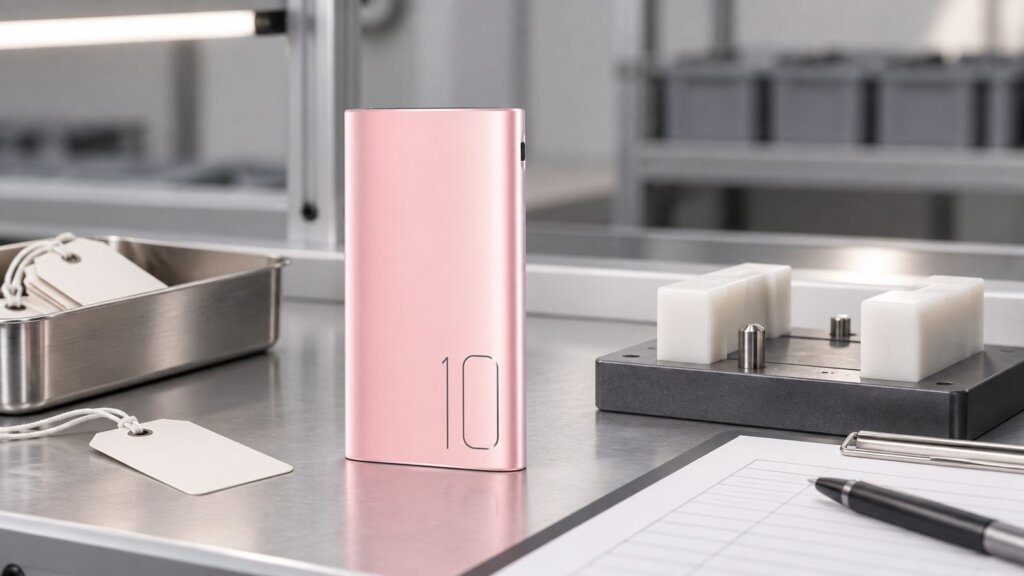
Power Bank Quality Control: Five Production Gates
Use these five gates to stop material, assembly, workmanship and release issues before shipment. Each gate should define what is checked and who records the result. It should also define how nonconforming material is handled. Only the approved revision should move forward.

01 · Incoming Quality Control
Cells · PCBAs · cables · plastics · packaging
Open IQC →
02 · In-Process Quality Control
Setup · assembly · firmware · soldering · rework
Open IPQC →
03 · Production QC
Function · workmanship · traceability · packaging
Open Production QC →
04 · CAPA / 8D Root Cause
Containment · root cause · corrective action
Open CAPA / 8D →
05 · Pre-Shipment Inspection
Lot · quantity · packaging · labels · documents
Open PSI →
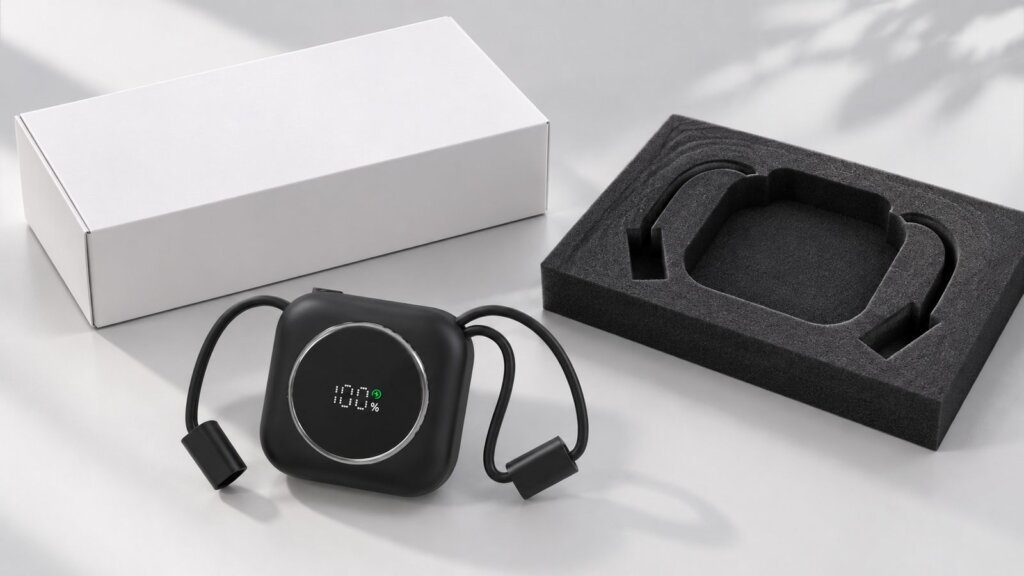
Power Bank Quality Control Map
Receive
IQC releases incoming lots.
Build
IPQC controls the line.
Inspect
Production QC checks finished units.
Correct
CAPA / 8D closes systemic issues.
Release
PSI confirms shipment readiness.
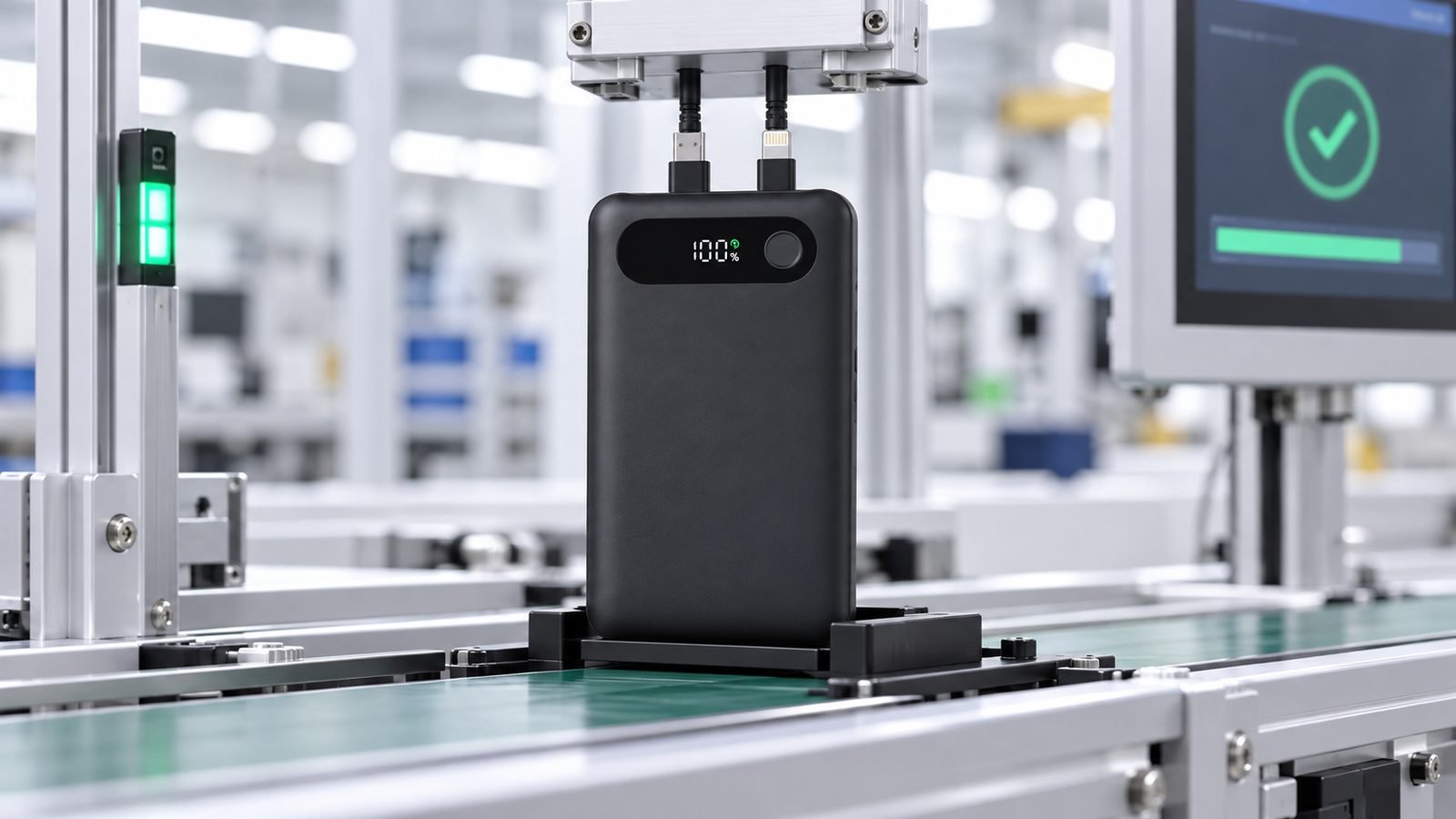
Power Bank Quality Control Evidence
Exact SKU — identify model, revision and approved configuration so records cannot be mixed between similar products.
Lot traceability — connect incoming cells, PCBAs, cables and packaging to the finished production lot.
Disposition — record whether nonconforming material is held, reworked, rejected, accepted by deviation or released.
Useful power bank quality control evidence should show the inspection result, date, lot or serial reference, responsible person and final disposition. A photo without the related model or lot is supporting context, not a complete release record.
Evidence: Factory & Quality → · REMAX → · HOCO → · MINISO →
Quality & Compliance → · Golden Sample → · BOM & Change Control →
For lithium-battery air-transport requirements that may affect shipment release, review IATA lithium battery guidance.
Project cases show manufacturing context; exact-SKU QC records remain the release basis.
Power Bank Quality Control FAQ
Incoming & In-Process Control
What is the difference between IQC and IPQC?
IQC checks incoming materials before they enter production. Typical items include cells, PCBAs, cables, plastics and packaging. IPQC checks the process while units are being built. It covers setup, assembly, soldering, firmware and rework. Both stages should record the affected lot and the release decision.
What traceability should a production lot include?
Traceability should link the finished lot to the approved model and revision. It should also link key incoming materials and the battery batch. PCBA batch data can be included when applicable. Production date, inspection records and final disposition should remain connected to the same lot.
How should rework be controlled?
Rework should follow an approved instruction. Record the reason, affected part and responsible operator. Define which checks must be repeated afterward. Reworked units should return to the relevant inspection point. The final record should show that they meet the same acceptance basis.
Corrective Action & Release
When should a defect trigger CAPA or 8D?
Use CAPA or 8D for recurrent, systemic, safety-related or customer-relevant defects. Separate immediate containment from root-cause analysis. Identify affected lots and define corrective actions. Assign owners and target dates. Verify effectiveness before closing the issue.
What should pre-shipment inspection verify?
Confirm the exact SKU, revision and finished quantity. Check workmanship, function, accessories, packaging and labels. Review carton marks and required shipment documents. Open quality issues should already be closed or formally dispositioned. The released lot must match the approved product and order scope.
What should be released before shipment?
The finished product should match the approved revision. Required inspections must be complete. Nonconformities must be closed or formally dispositioned. Packaging and labels should match the order. Required market and transport documents should also be available. Shipment release should reference the same production lot.
Reference Control & Ongoing Quality
Why keep both a golden sample and written specification?
The golden sample anchors appearance, dimensions, labeling and packaging. The written specification controls measurable requirements. These include BOM, firmware, output, protocol behavior and battery configuration. Power bank quality control is stronger when both references point to the same revision.
What should change control cover after mass production starts?
Change control should cover updates that affect safety, performance, fit or appearance. It should also cover compliance, packaging and traceability. Typical examples include battery, PCB, connector, cable, plastic, firmware and label changes. Identify affected lots before implementation. Define any validation needed and the effective revision.
Where should aging and reliability checks fit in the quality flow?
Aging and reliability checks should follow the release plan for the product stage. They may support validation, pilot build or production sampling. Define the method and sample basis in advance. Acceptance criteria should also be clear. Each result should link to the exact SKU, revision and lot.
How should buyers review supplier quality records?
Check what was inspected and which model or lot the record covers. Review the acceptance criteria and actual result. Confirm the inspector, date and final disposition. Pass marks alone provide limited evidence without traceability. Consistency across IQC, IPQC, finished QC and shipment records matters more.