
Uganda F73 Power Bank Case Study
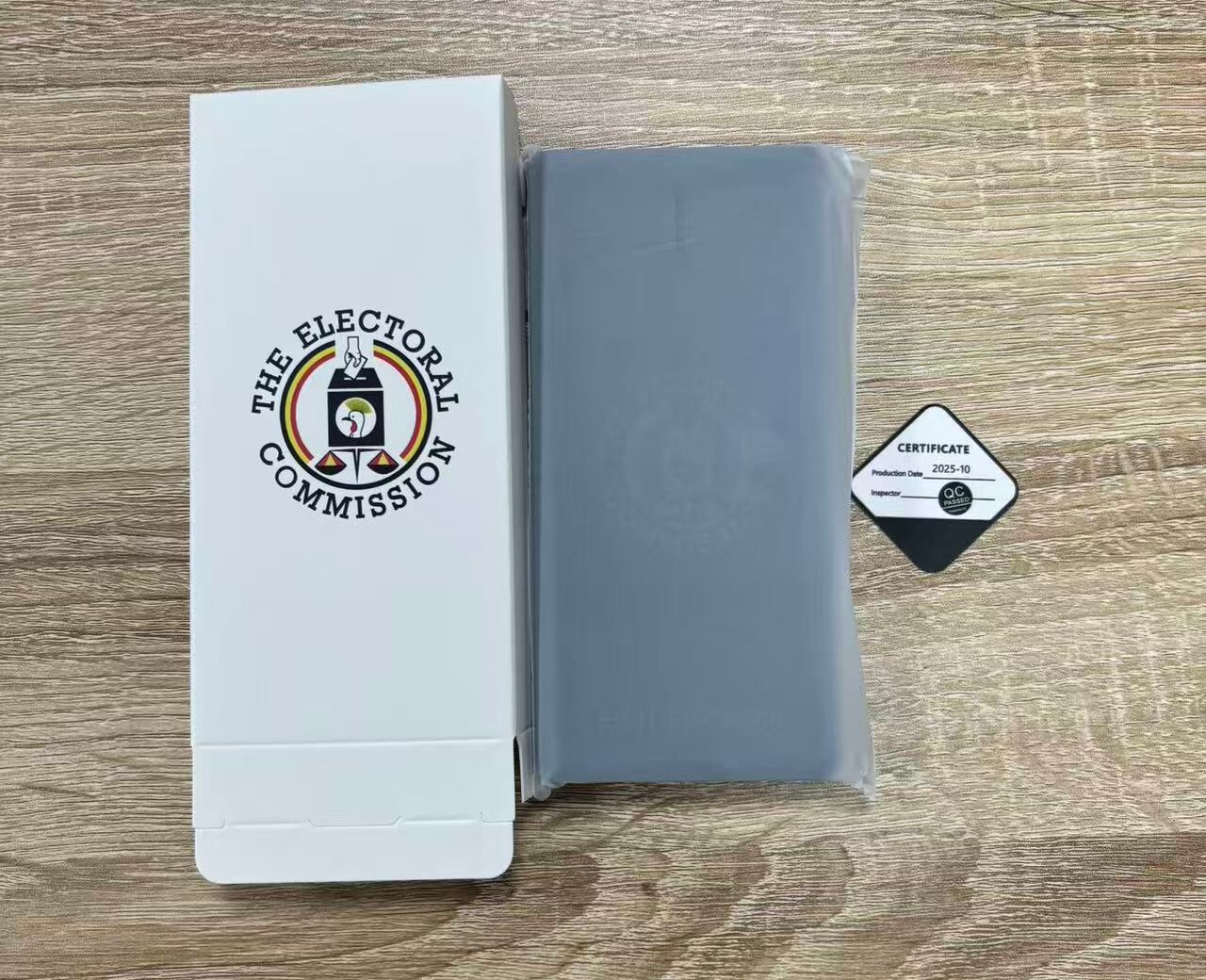
Uganda F73 power bank case study: this documented OEM/ODM program used the F73 10,000mAh / 37Wh platform with output up to 22.5W. The project covered housing and button changes, customer branding, laser marking, unit-level serialization, mass production and lithium-battery air shipment. The case is presented through retained project evidence, with customer-identifying details redacted where appropriate.
Uganda F73 Power Bank Case Study Evidence
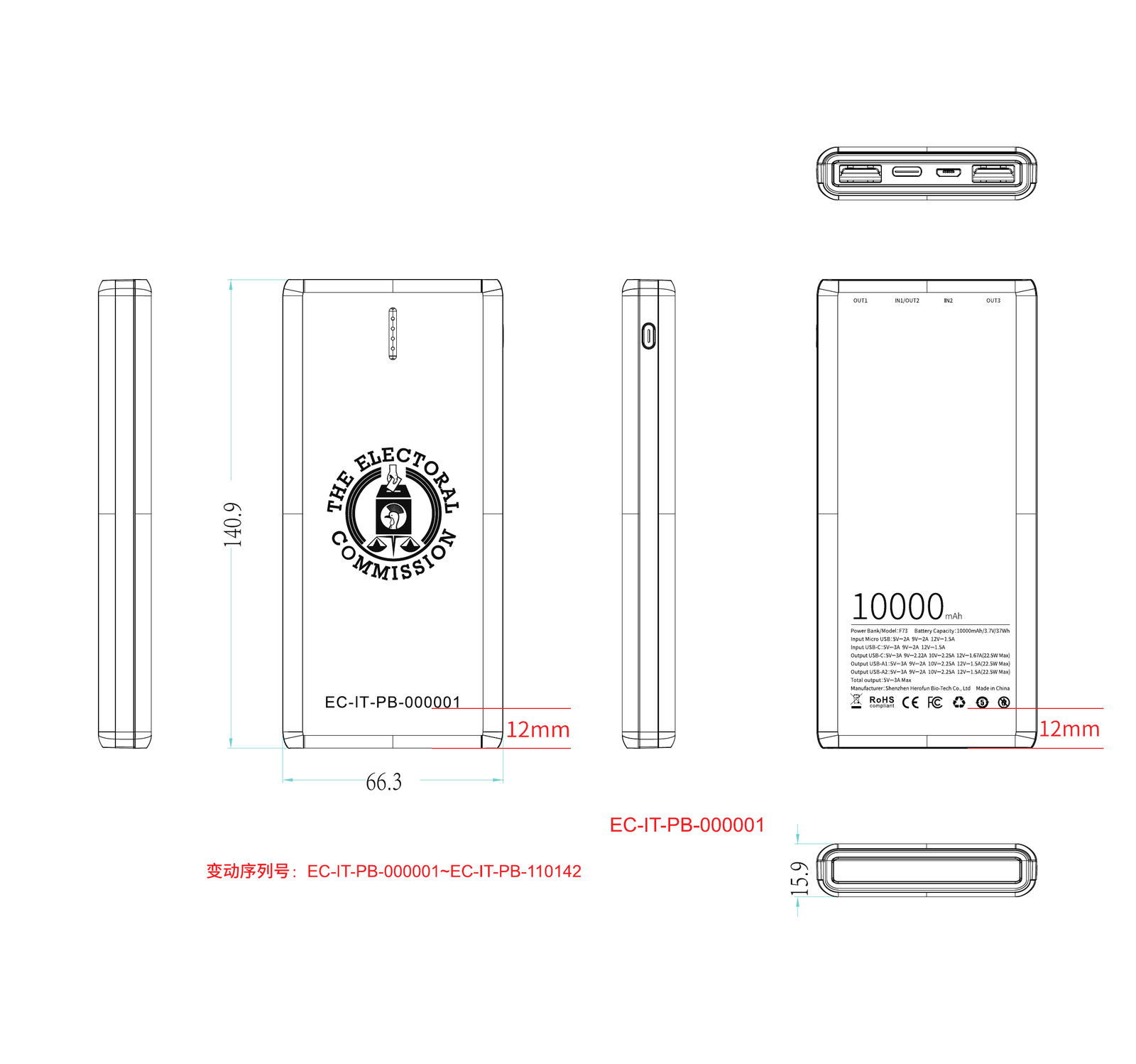
Serialized Artwork
The approved artwork records the branding layout, rear marking and unit-level serialization used for the F73 program. This matters because serialized marking has to remain aligned with the approved enclosure and production revision.
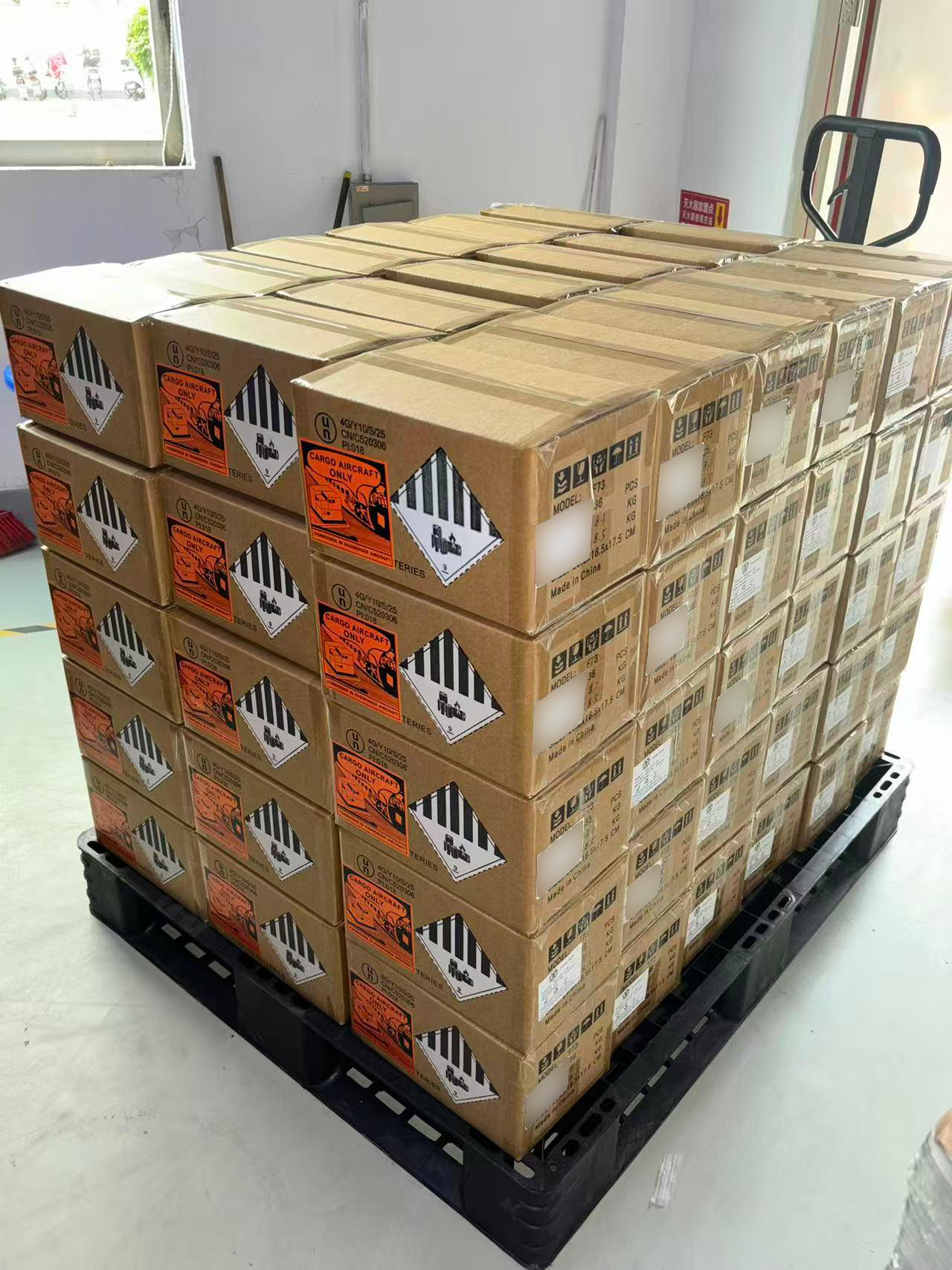
Mass Production
Retained records describe an approximately 100,000-unit historical F73 program with serialized production control. The evidence is used here to show manufacturing scale and project continuity rather than to disclose customer-sensitive carton details.
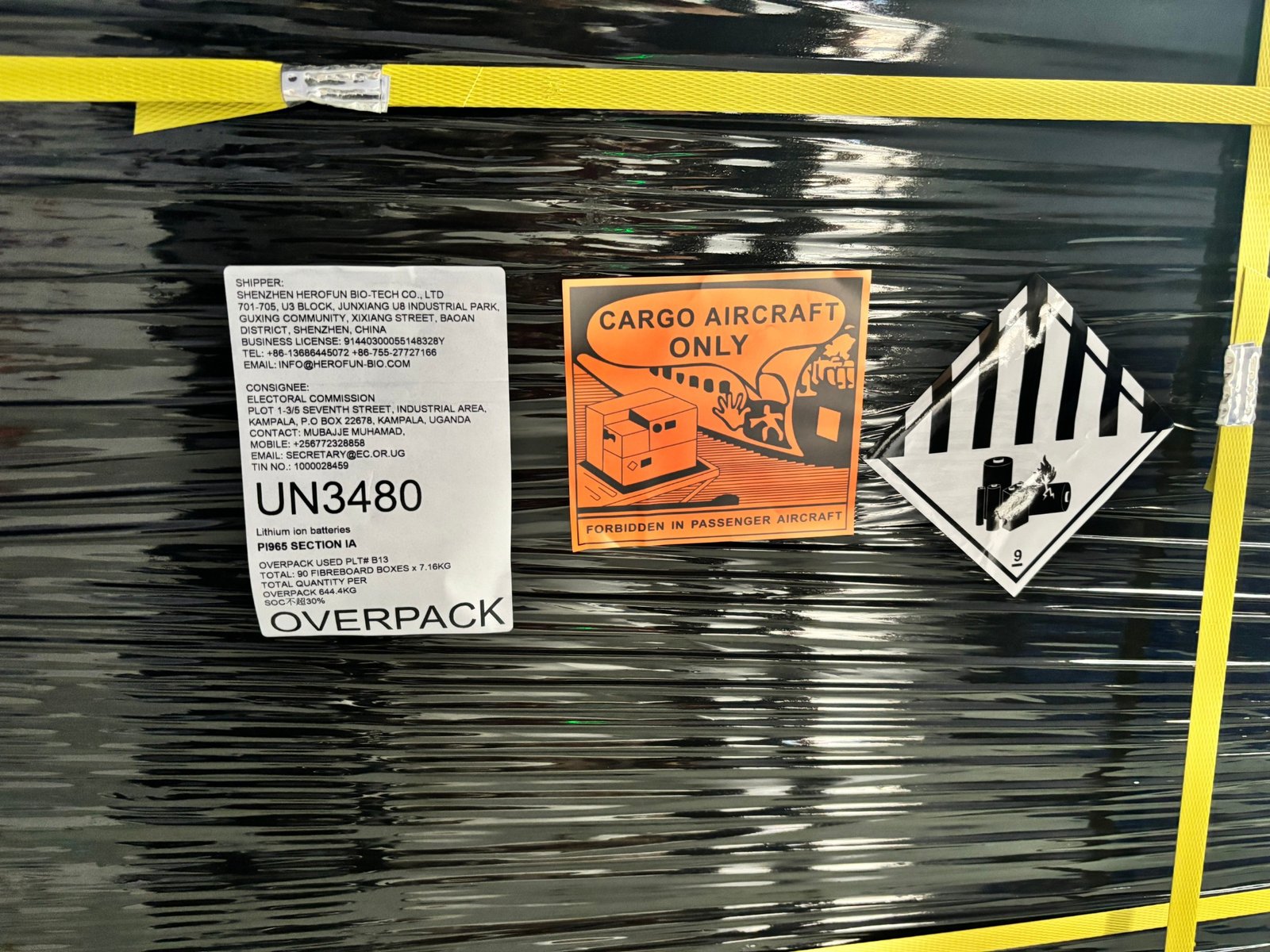

Air Shipment
Project evidence includes UN3480 / PI965 Section IA air-cargo preparation for the documented shipment. This record supports the logistics stage of the case and shows that shipment preparation formed part of the project workflow.
Public customer references: EC BVVK Statement ↗ · EC 2025/2026 Elections ↗ · Uganda Radio Network Report ↗
Customer-identifying details in the production and shipment images are redacted; public evidence links remain available for context.
Uganda F73 Power Bank Case Study FAQ
Customization & Production Evidence
What was customized in the Uganda F73 project?
The F73 platform was adapted with housing and button changes, customer branding, laser marking and unit-level serialization. The retained project material also connects those changes to production and shipment evidence. This is why the case is presented as an OEM/ODM program rather than only a finished-product photo.
What does the serialized artwork control?
The approved artwork records branding placement, rear marking and the serialized marking plan. It gives production a defined visual reference for the customized enclosure. For a serialized program, the artwork should stay tied to the approved product revision so later housing or marking changes do not create inconsistent units.
What does the mass-production evidence show?
Retained records describe an approximately 100,000-unit historical F73 program. The production images and cartons are used as manufacturing evidence while customer-identifying details are redacted. The important point for buyers is the link between the approved product direction, serialized production control and the documented manufacturing stage.
What shipment evidence is included?
The project record includes UN3480 / PI965 Section IA air-cargo preparation for the documented shipment. This supports the logistics stage of the case. It does not mean every future model can use the same documents unchanged; battery configuration, finished SKU, destination and transport requirements still need to be confirmed for each project.
Why are some production and shipment details redacted?
The case keeps customer-sensitive labels and identifying details out of the published images while retaining enough visual context to show production and shipment stages. Public customer references remain linked separately. This approach allows the manufacturing evidence to be reviewed without exposing information that does not need to be public.
F73 Specification & Project Control
What are the core F73 specifications shown in this case?
The documented configuration is a 10,000mAh / 37Wh F73 platform with output up to 22.5W. Those figures define the product basis used in this Uganda F73 power bank case study. A similar program should still confirm the final battery, output profile, ports, cable arrangement, enclosure and market requirements before approval.
What should be confirmed before a similar OEM/ODM program starts?
Start with the target product platform, capacity and Wh, charging output, interfaces, structural changes, branding and packaging. If serialization is required, define the marking format and where the identifier appears. Shipment and market documentation should also be reviewed against the exact finished SKU before mass production is released.
How should unit-level serialization be managed?
Serialization should be treated as a controlled production requirement, not as an informal marking step. The approved artwork should define the location and format. Production records should connect the serialized units to the correct product revision and lot. If the enclosure or marking method changes, the serial plan should be reviewed before the new revision enters production.
Buyer Review & Similar Projects
What evidence should a buyer compare in a similar case?
Look for evidence that connects the approved product definition to real production and shipment stages. Useful records can include artwork, approved markings, lot or serialization control, production images, quality records and shipment preparation. A case is more useful when the documents describe one consistent SKU rather than unrelated photos from different products.
Can ZEROSET build a similar project?
Yes, subject to engineering and commercial review. A similar program can start from a mature platform and then define the structural changes, battery, output, markings, serialization, packaging and shipment requirements. The final scope should be locked before validation and mass production so the approved sample, artwork and production records all refer to the same revision.