
Power Bank OEM/ODM Resources
Use these power bank OEM/ODM resources to move from RFQ and supplier screening through engineering review, NPI, quality control and production release. Start with the project stage that matches your current decision, then open the detailed checklist, guide or case study. For protocol terminology, see USB-IF; for lithium-battery transport guidance, see IATA.
Power Bank OEM/ODM Resources by Project Stage
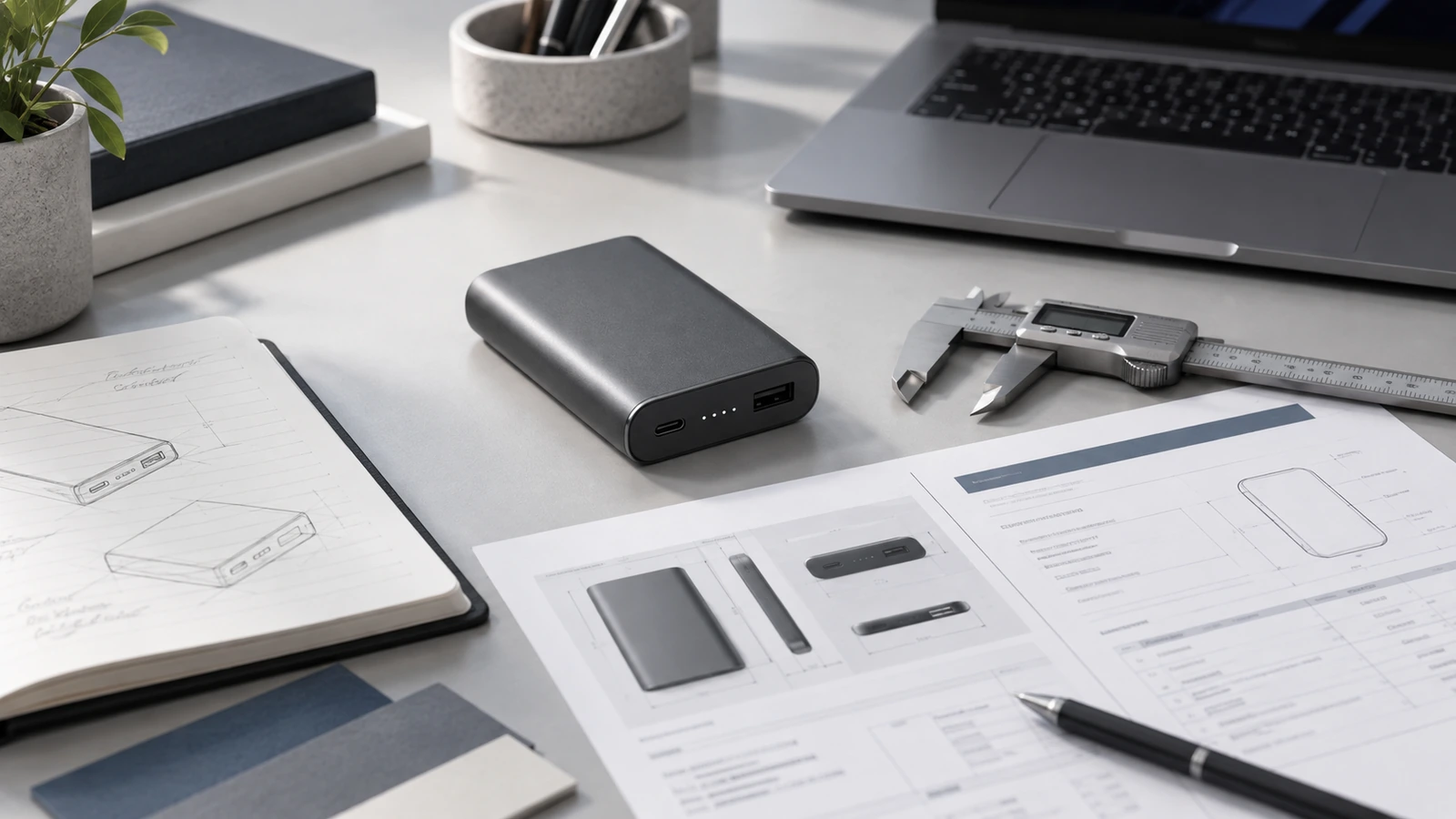
Buyer & Sourcing
RFQs, supplier checks, MOQ, lead time and market-entry planning.

Engineering
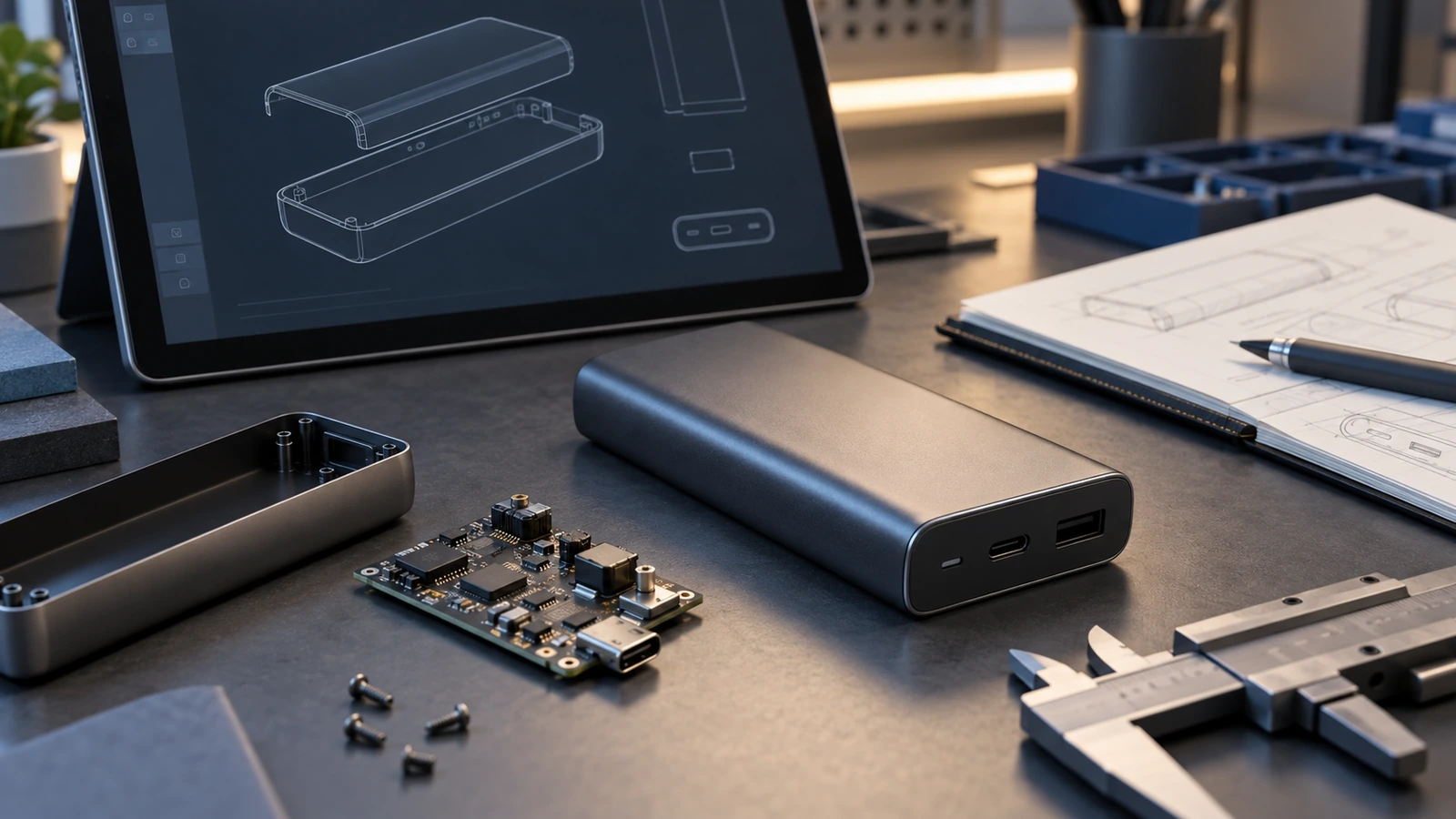
Cell/PACK architecture, PD/PPS, thermal behavior, PCB paths, cable loss and DFM.
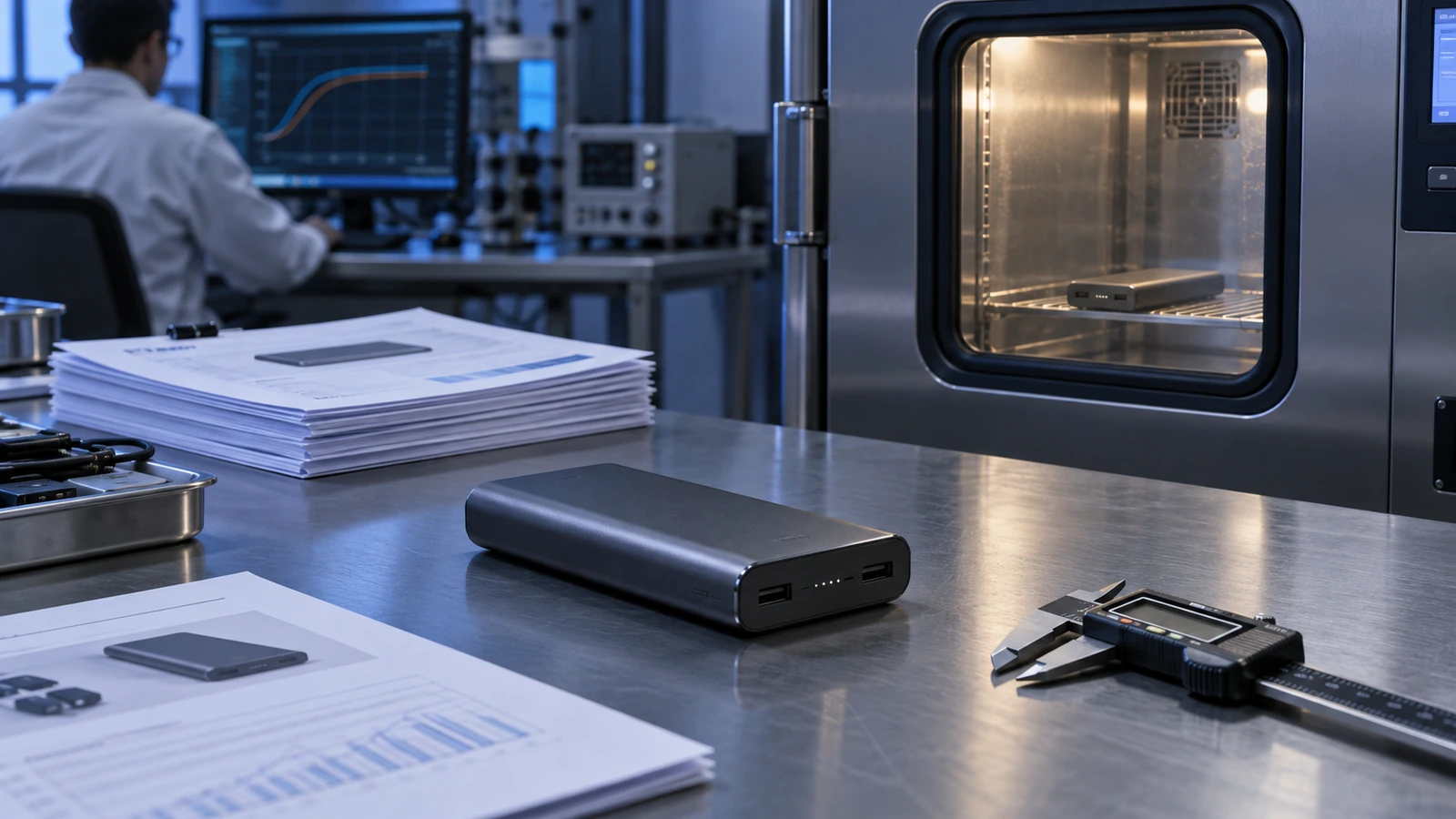
Validation & NPI
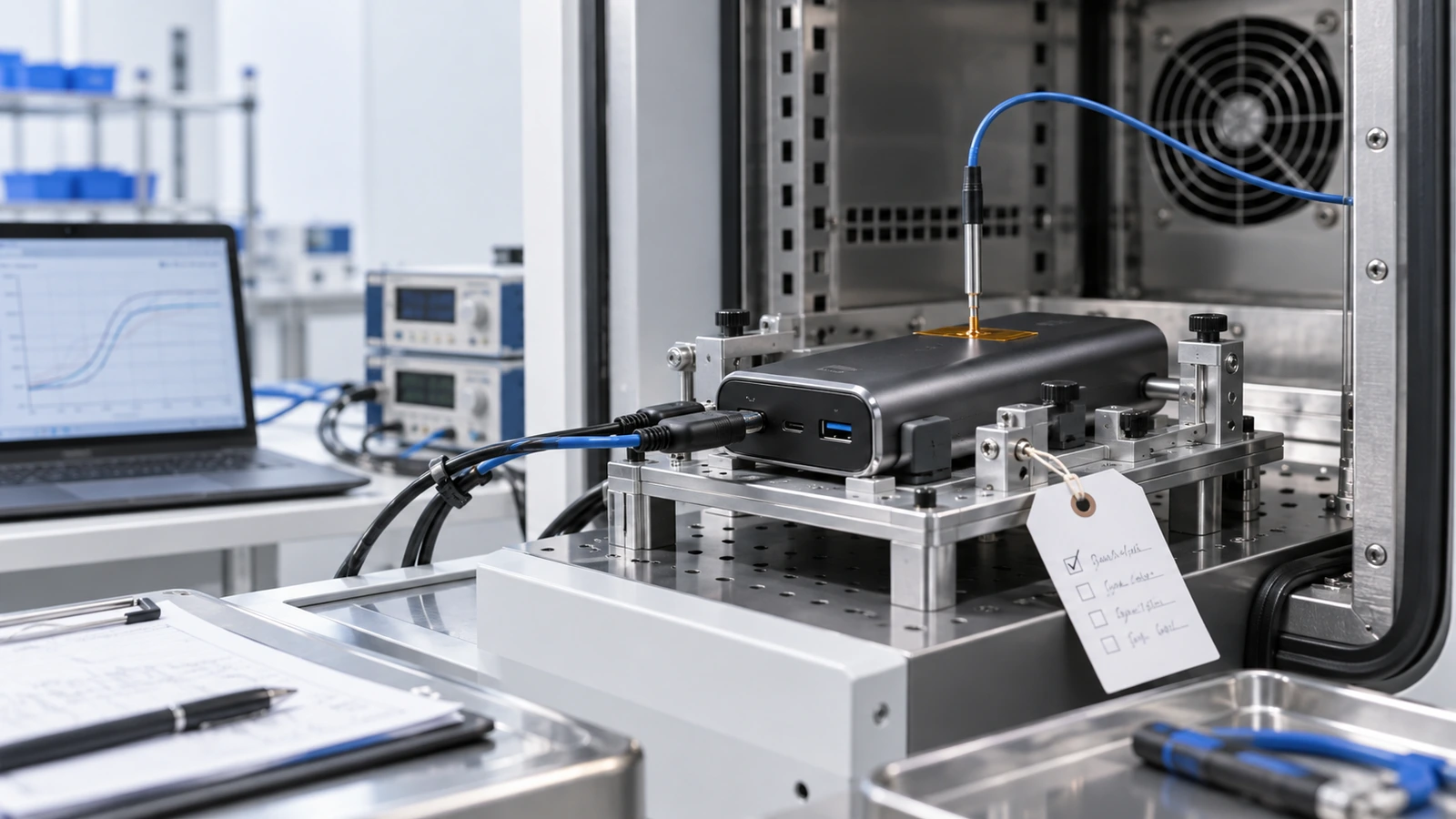
Golden samples, reliability checks, pilot builds, BOM lock and release.
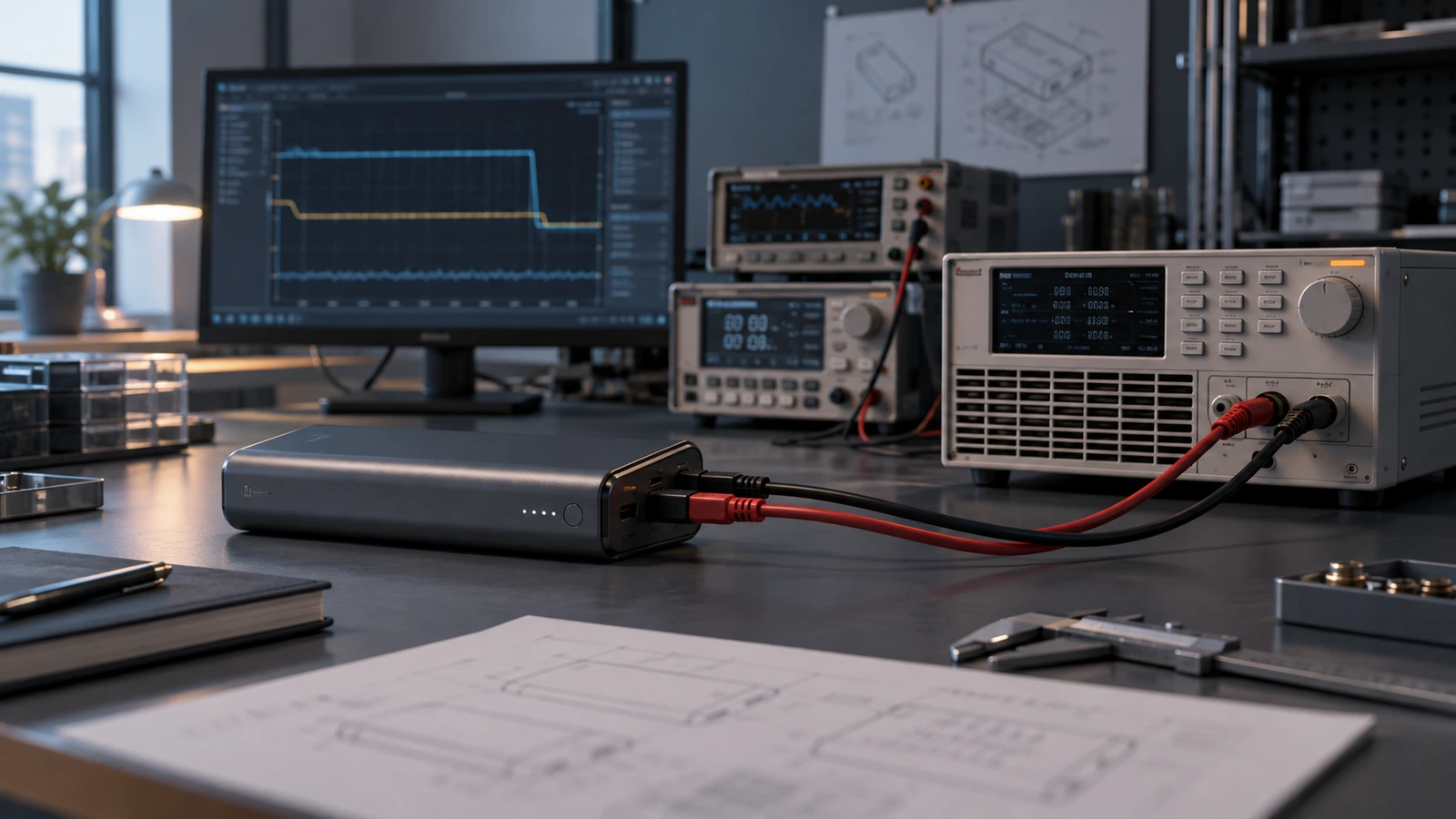
Quality & Production
IQC, IPQC, aging, traceability, CAPA/8D and pre-shipment inspection.

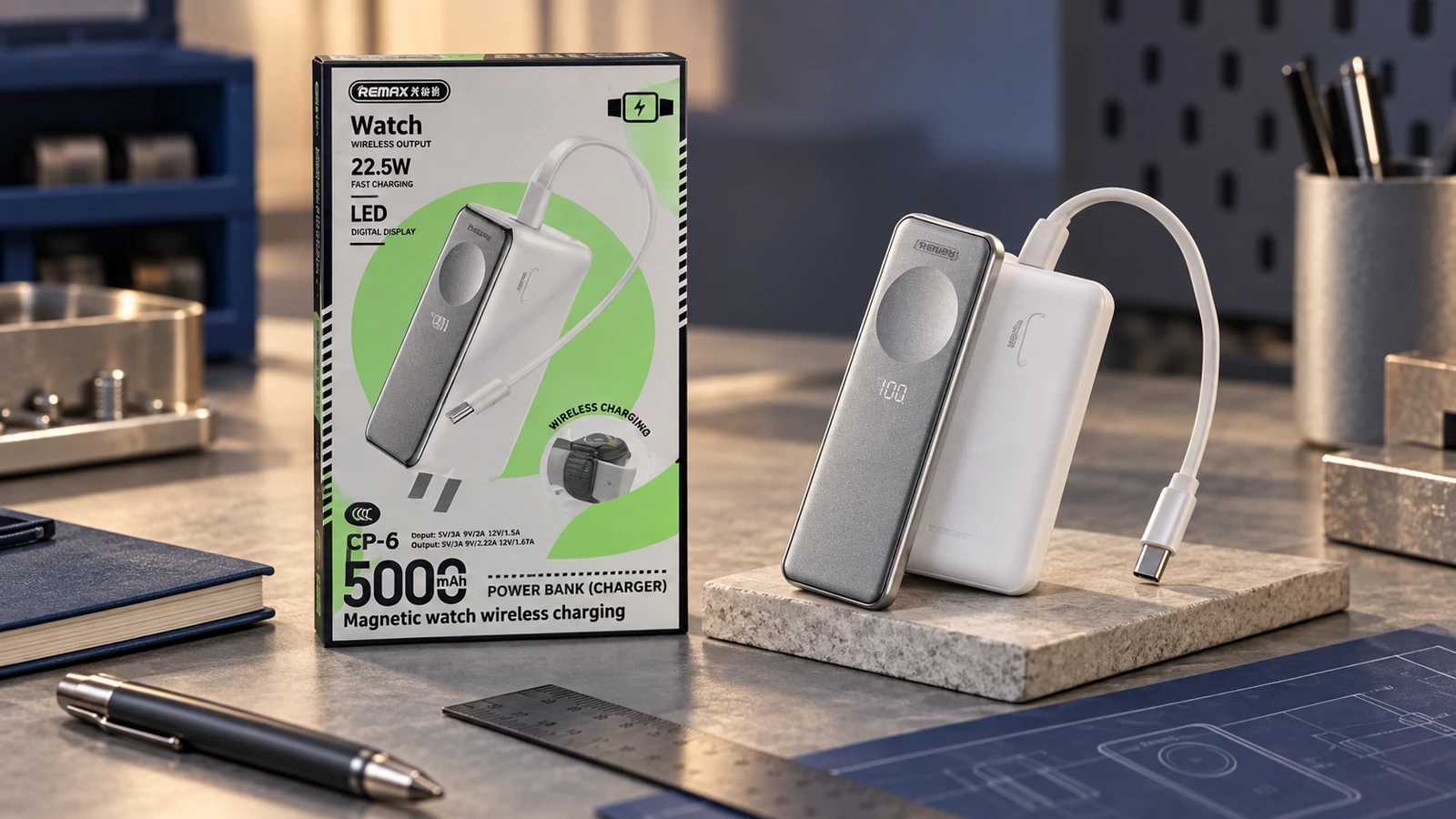

OEM/ODM Manufacturing Case Evidence


Power Bank OEM/ODM Resources FAQ
Use the questions below to move through the power bank OEM/ODM resources by project stage without opening every guide at once.
Sourcing & RFQ
Where should a buyer start?
Start with Buyer & Sourcing when the project is still at RFQ, supplier screening or product-definition stage. Use the RFQ template to define capacity, output, interfaces, quantity, branding, packaging and destination market before comparing quotations.
What information makes an RFQ easier to compare?
Keep the product brief specific. State the target capacity, charging output, built-in cable or port requirements, expected quantity, packaging scope and market. If you already have a reference sample or specification, include it so suppliers are not pricing different interpretations of the same project.
How should buyers compare two power bank suppliers?
Do not compare unit price alone. Review product-platform maturity, engineering response, sample control, production capacity, quality checkpoints, change control and the ability to support the required documentation. The factory-audit and supplier-evaluation resources help structure that comparison.
When should MOQ and lead time be confirmed?
Confirm them after the model and customization depth are clear. A mature model, a deeper platform ODM change and a complete new private-mold project follow different commercial paths. Packaging, certification, engineering changes and the current production schedule can also affect timing.
Engineering, Validation & NPI
What engineering topics are covered?
The engineering hub covers cell and PACK architecture, USB PD and PPS, thermal behavior, PCB power paths, cable loss, structure, DFM and BOM control. Use it when a specification affects electrical performance, heat, mechanical layout or mass-production consistency.
What is a golden sample used for?
A golden sample is the approved physical reference used to lock the agreed product version before production. It should match the confirmed specification, appearance, labeling and packaging direction. Any later change should be reviewed rather than silently replacing the approved reference.
What should a pilot build confirm?
A pilot build should check whether the approved design can be assembled and tested repeatedly before full mass production. Typical review points include process flow, fixtures, work instructions, traceability, assembly risks, inspection points and whether the final BOM and packaging are ready for release.
What should be provided for a PD or PPS review?
Provide the target devices, required charging profiles, expected maximum output, cable and port arrangement and any simultaneous-output requirement. For protocol terminology and official USB Power Delivery references, buyers can also check USB-IF.
Quality, Compliance & Production
Which resources support production quality control?
The Quality & Production hub covers incoming inspection, in-process checks, aging, traceability, CAPA and 8D, production inspection and pre-shipment review. Use these resources to define checkpoints before problems are discovered only at final inspection.
Are the templates or guides certification proof?
No. They are working references for project preparation. Certification and transport documents must be confirmed for the exact SKU, battery configuration and destination market. Different models should not be assumed to share one document set just because they belong to the same product family.
How does the destination market change the project?
The market can change labeling, certification, transport documentation and retailer requirements. Share the destination early so the final SKU can be reviewed against the correct scope. For lithium-battery air-transport references, IATA is one of the relevant official sources.
How should documented manufacturing cases be used?
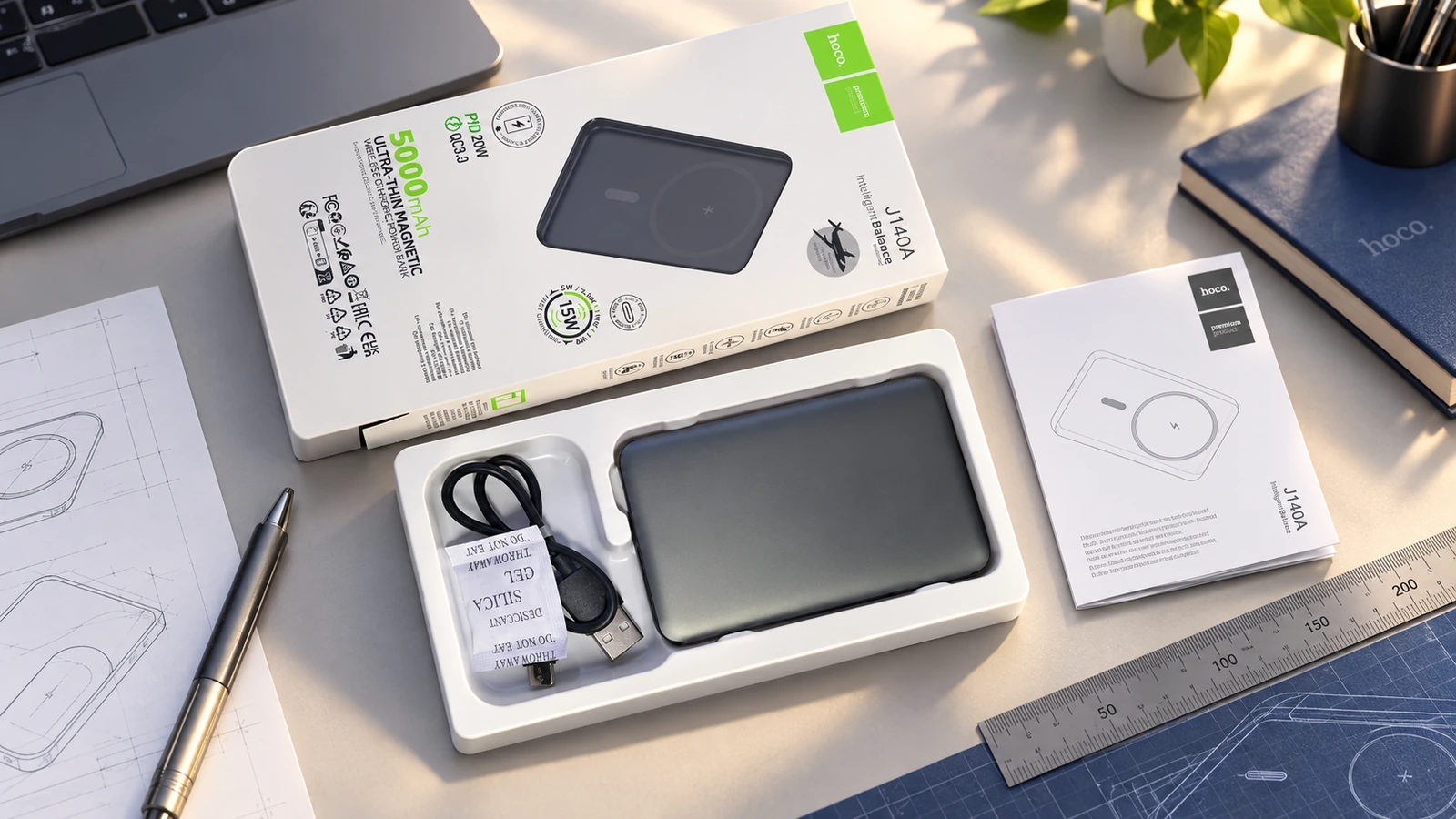
Use the case studies as evidence of actual project experience, not as a substitute for the current project specification. They are most useful for understanding product direction, customization scope, packaging execution and manufacturing evidence before discussing a similar requirement.
When should a buyer request a quotation?
Request a quotation when the target model or product direction, quantity, customization scope, packaging and destination market are reasonably clear. If those items are still open, use the RFQ and engineering resources first so the quotation is based on one defined project rather than several assumptions.
Have a project already? Get a Quote →