
Power Bank PD & PPS Charging Reference
Quick answer: PD / PPS charging works only when the power bank port, cable, target device and negotiated PDO / APDO profile match.
Freeze port direction, supported profiles, cable state, input behavior and multi-port allocation to the exact SKU before sample approval.
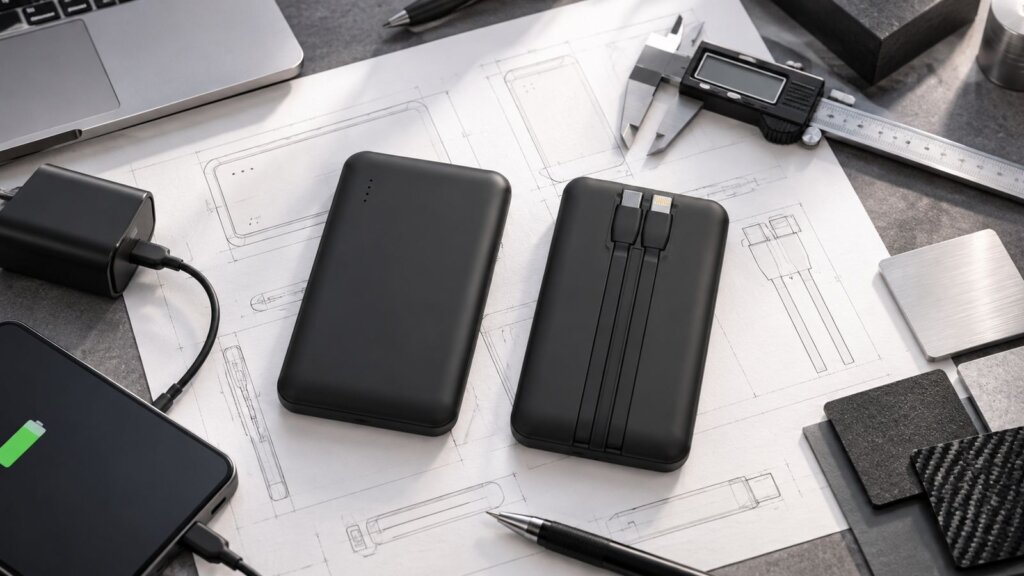
Quick Engineering Review
Use these four checks before accepting a PD / PPS charging claim for the released SKU.
Document supported voltage / current combinations by port and direction.
Verify programmable range and measured negotiation for the exact sample state.
Confirm cable capability, port direction and connector state support the target profile.
Define allocation and simultaneous-use rules for realistic buyer use cases.
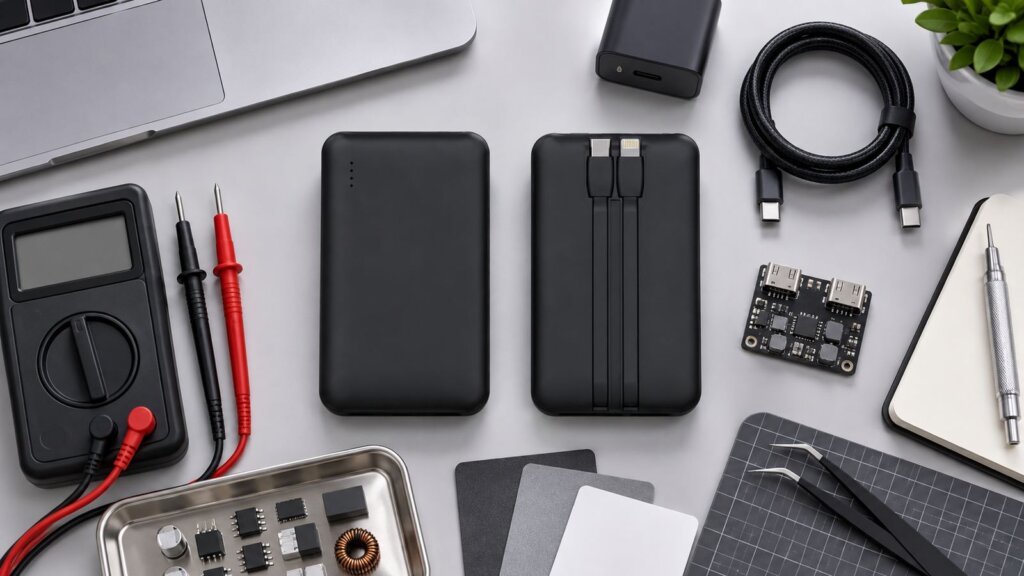

Buyer Decision Points
Maximum wattage alone does not prove device compatibility; record the actual fixed profiles.
Do not assume PPS from a PD label; verify the programmable range and negotiation.
Port direction, cable capability and connector behavior must support the intended profile.
Test target phones, tablets or other devices against the released port and cable state.
Related Engineering
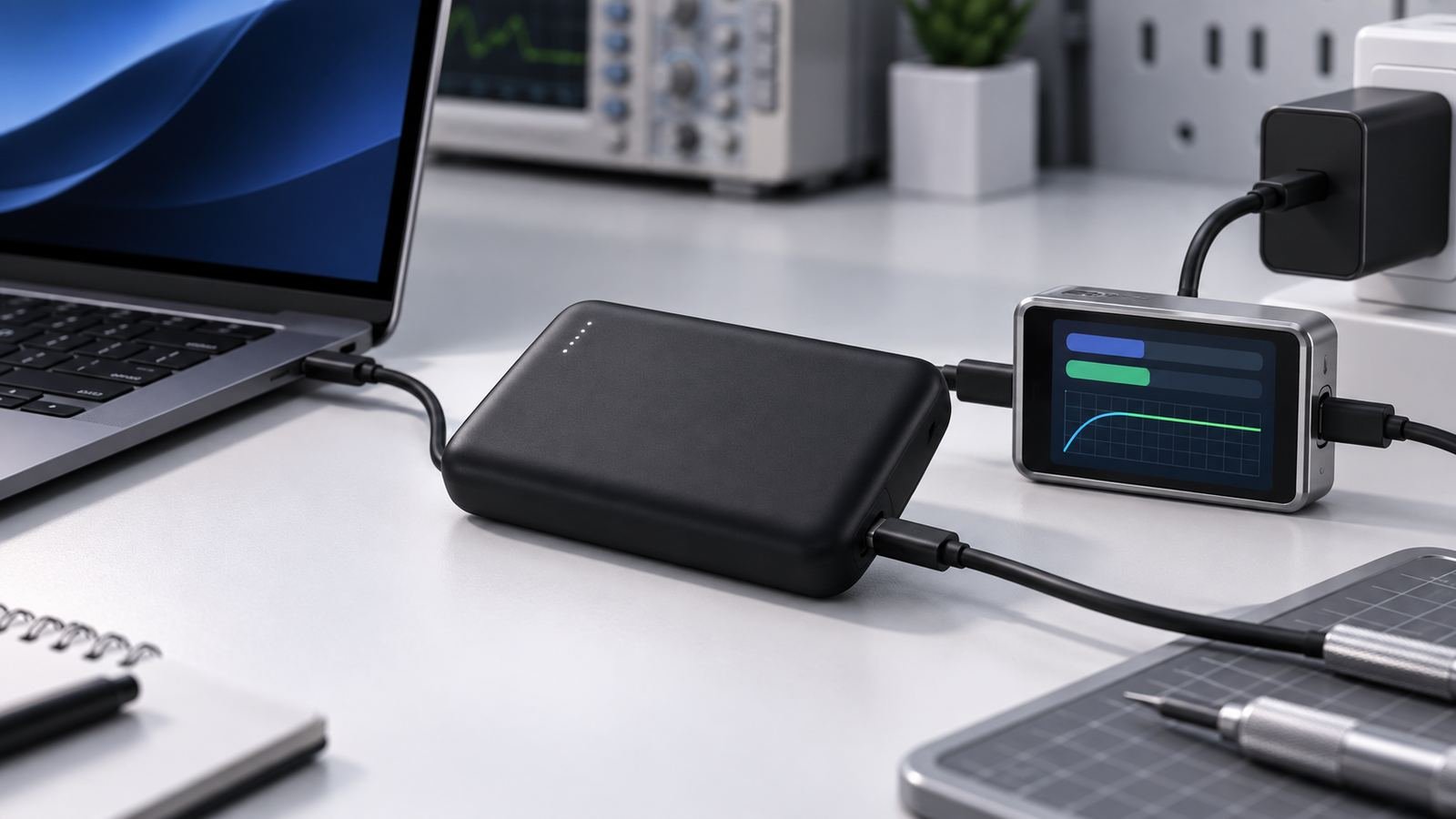
PD / PPS FAQ
Does 45W mean every device can charge at 45W?
No. The device, source profile, cable and negotiation must all support the same operating point.
Is PPS the same as standard PD?
No. PPS is a programmable capability that should be verified by APDO range and measured negotiation.
Can multi-port use reduce output?
Yes. Multi-port allocation rules can change available power by port and should be tested as part of the released SKU.