SAMPLE APPROVAL · 4 PRACTICAL TEMPLATES

Power Bank Sample Approval Checklist

Choose only the template that matches the sample in front of you. Do not make customers work through one long master checklist.

Use Platform for direction, CMF for appearance, Engineering for function, and Golden Sample for production release.

Go to the 4 templates ↓  ·  Validation & NPI →

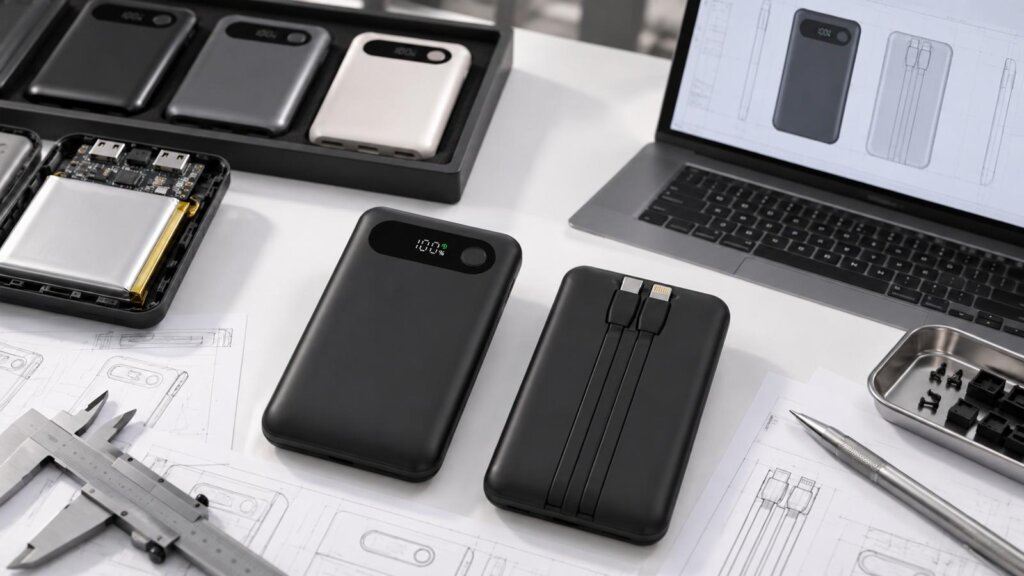
AI-generated ZEROSET validation visual

4 Sample Approval Templates

Pick one. Fill only the fields that matter for that approval stage.
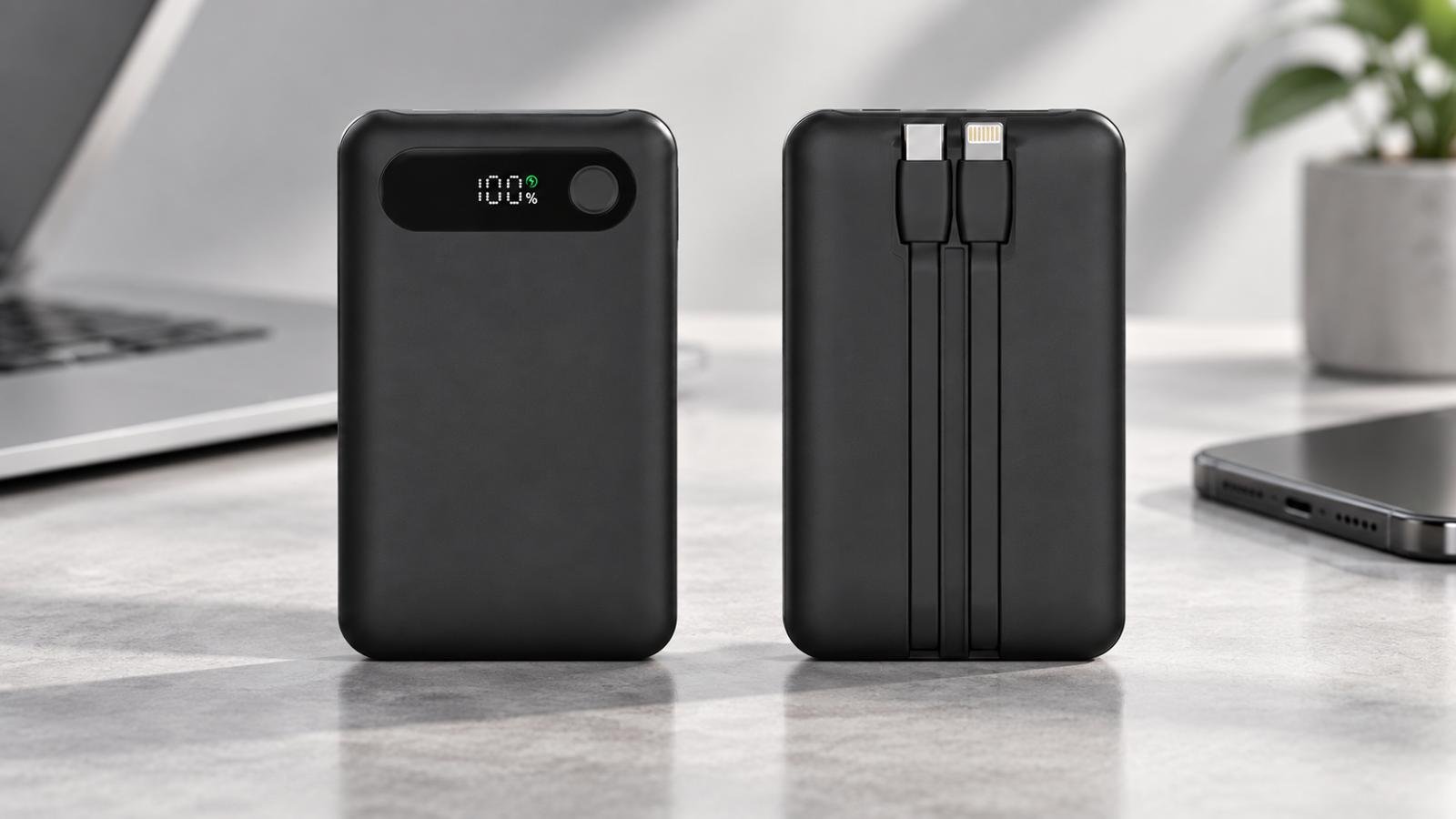
Power bank engineering sample approval and validation reference
01 · Platform Sample Approval

Best for: deciding whether a mature platform is worth continuing.

Model / reference: ___
Size & weight: ___
Ports / built-in cable / plug: ___
Basic input-output behavior: ___
Target use / commercial fit: ___
Decision: Proceed / Reject / Recheck

02 · Appearance / CMF Approval

Best for: approving what the customer will see and touch.

Model / sample ID: ___
Color / Pantone: ___
Material / surface finish: ___
Logo / printing position: ___
Gap / flushness / workmanship: ___
Decision: Pass / Revise / Reject

03 · Engineering Sample Approval

Best for: validating the intended electrical and functional state.

Model / revision: ___
Cell / PACK: ___
PCBA / firmware: ___
Input-output / PD-PPS: ___
Ports / cable / mechanism: ___
Thermal / protection / function: ___
Open issue & evidence: ___
Decision: Pass / Rework / Retest

04 · Golden Sample / Production Release

Best for: freezing the physical production reference.

Model / SKU / sample ID: ___
Specification revision: ___
BOM / PCBA / firmware: ___
CMF / artwork / packaging: ___
Accepted deviations: ___
Approver / date: ___
Release: Approved / Hold

Open detailed Golden Sample checklist →

Rule: approve only the state actually represented by the sample. If the cell, firmware, PCBA, CMF or packaging changes later, recheck the affected items before release.   Reliability Validation →

Power Bank Sample Approval FAQ

What is the purpose of power bank sample approval?

Sample approval confirms that the reviewed unit matches the intended function, appearance and project stage before the next development or production step.

What is the difference between a platform sample and an engineering sample?

A platform sample confirms the general product direction. An engineering sample is used to validate the configured battery, PCB, charging behavior, interfaces and structure for the intended SKU.

What should be checked on a CMF sample?

Check color, material, surface finish, printing, logo size and position, texture, part-to-part consistency and any visual reference defined by the project.

Should packaging be approved together with the product sample?

Yes when packaging is part of the final SKU. Check artwork, labels, accessories, manuals, inner tray or protection, carton marks and the exact product configuration shown on the packaging.

How should battery and PCB configuration be recorded during sample approval?

Record the approved cell or PACK basis, PCB revision, firmware where applicable, charging profiles and any component assumptions that are important to function or compliance.

What happens if the sample passes visually but not functionally?

Do not approve the sample as final. Record the failed function, required correction and the items that must be rechecked on the next revision.

Can a sample be conditionally approved?

Yes for limited noncritical open items when responsibilities and closure evidence are clearly defined. Critical safety, function, compliance or fit issues should be closed before release.

When should a sample be re-approved?

Re-approval is needed when changes affect the approved state, such as cell, PCB, firmware, charging behavior, housing, cable, CMF, labels or packaging.

What information should a sample approval record contain?

Include model, revision, date, sample type, key configuration, measured or visual results, deviations, decision, approver and reference photos or documents.

What is the next step after final sample approval?

Move to golden-sample release, reliability validation and NPI or pilot build so the approved product can be converted into a repeatable production baseline.