
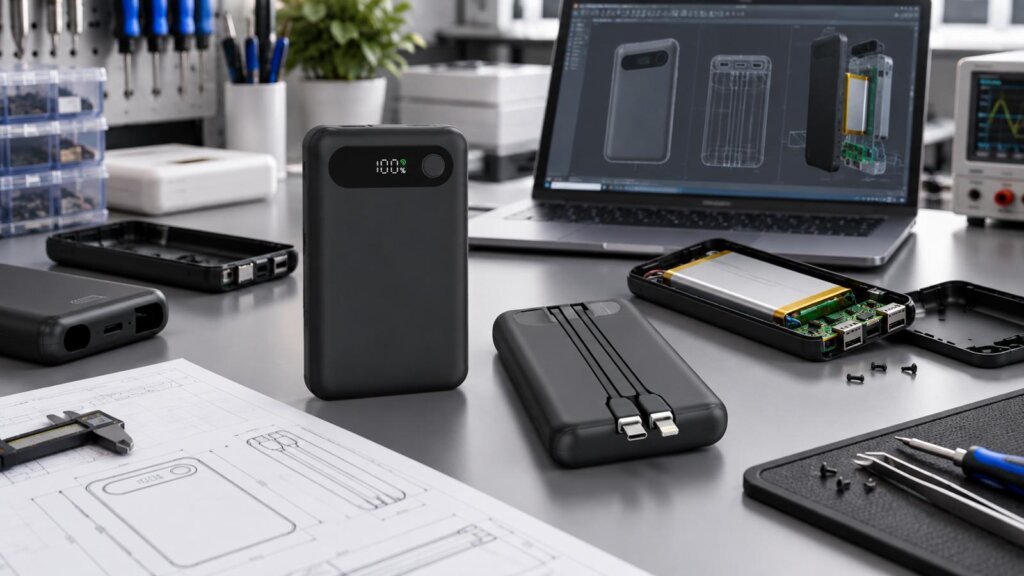
Keep every pilot lot tied to the exact released revision. Record the production evidence, issue status and final decision for each check.
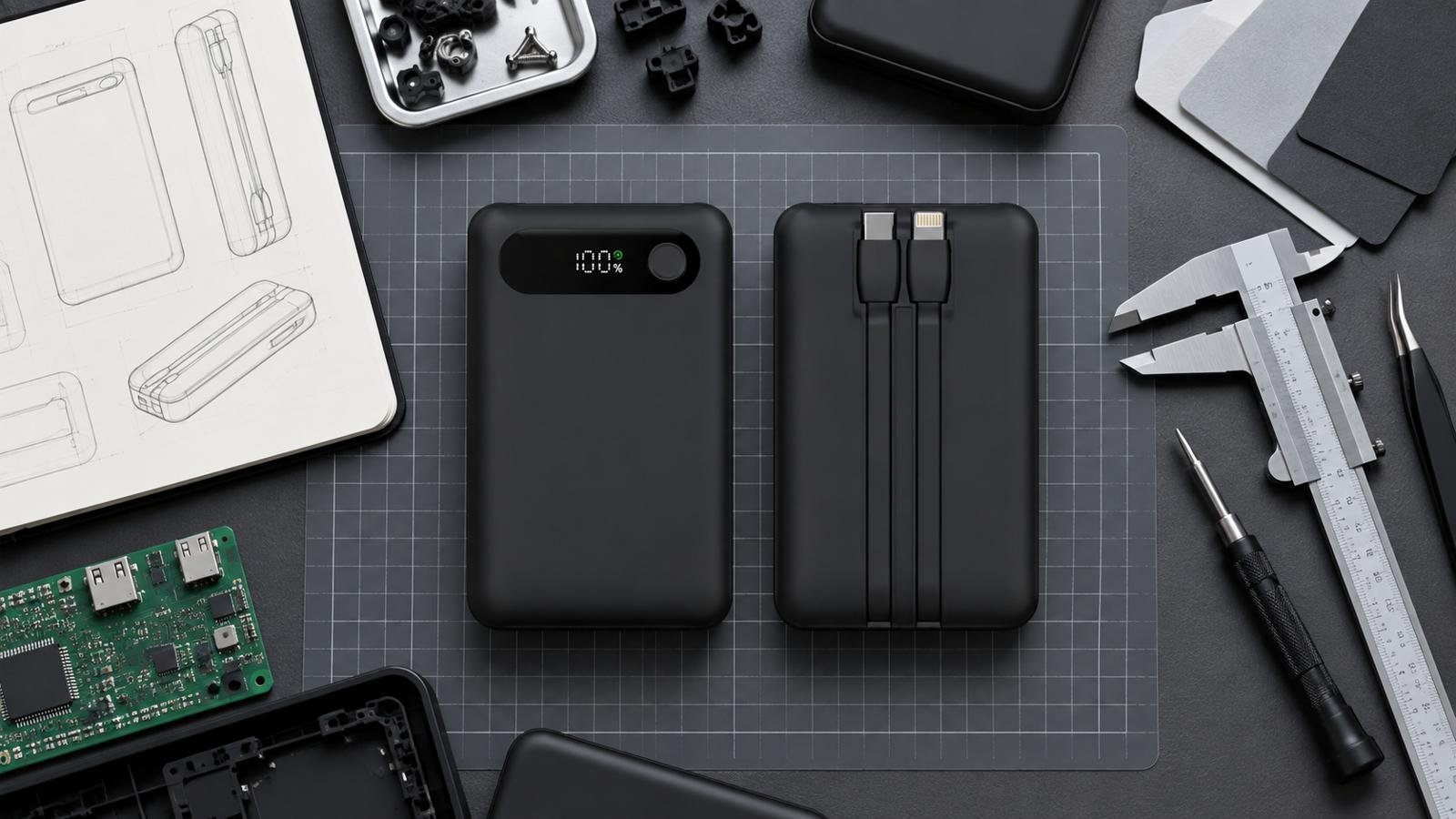
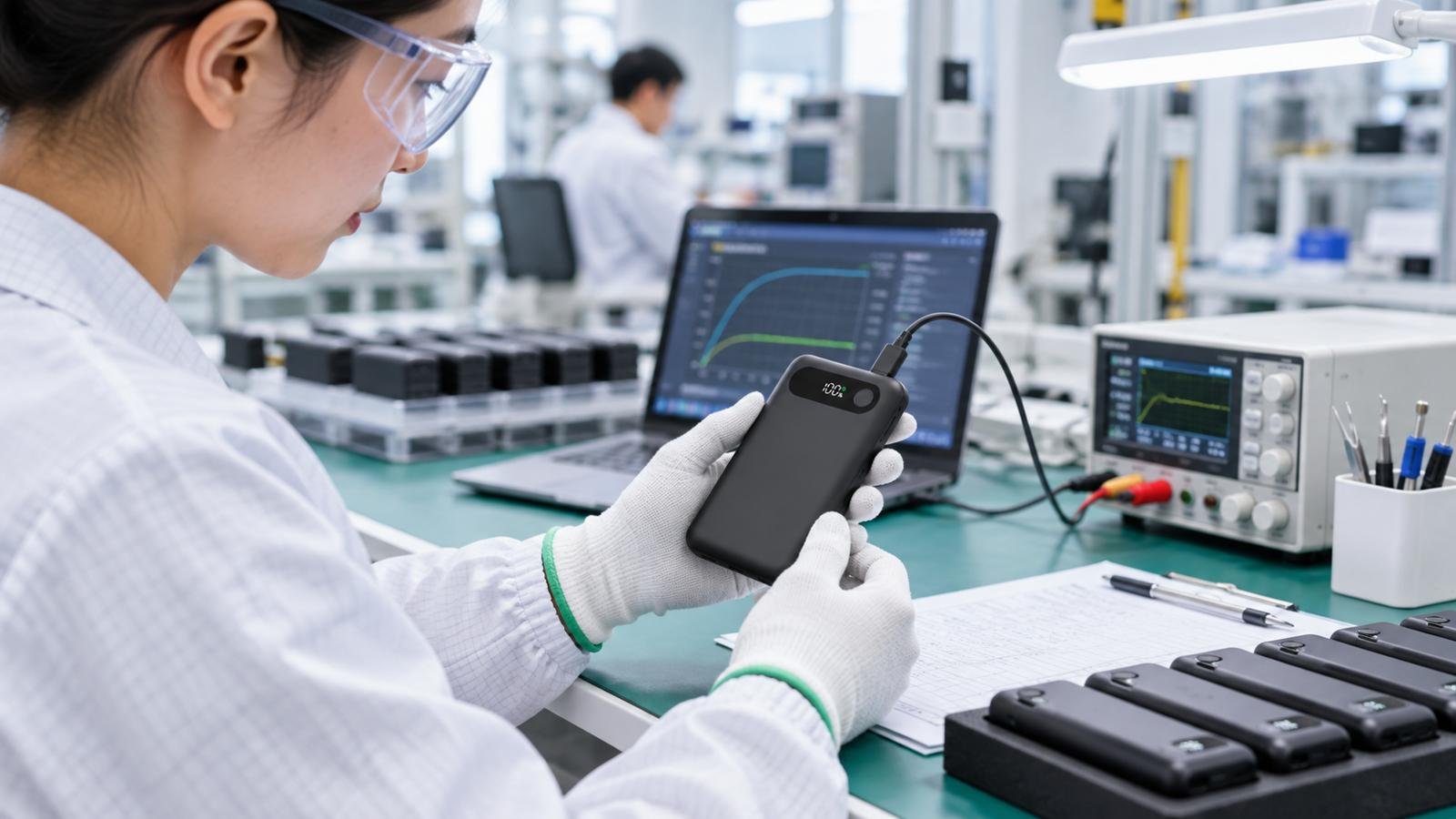
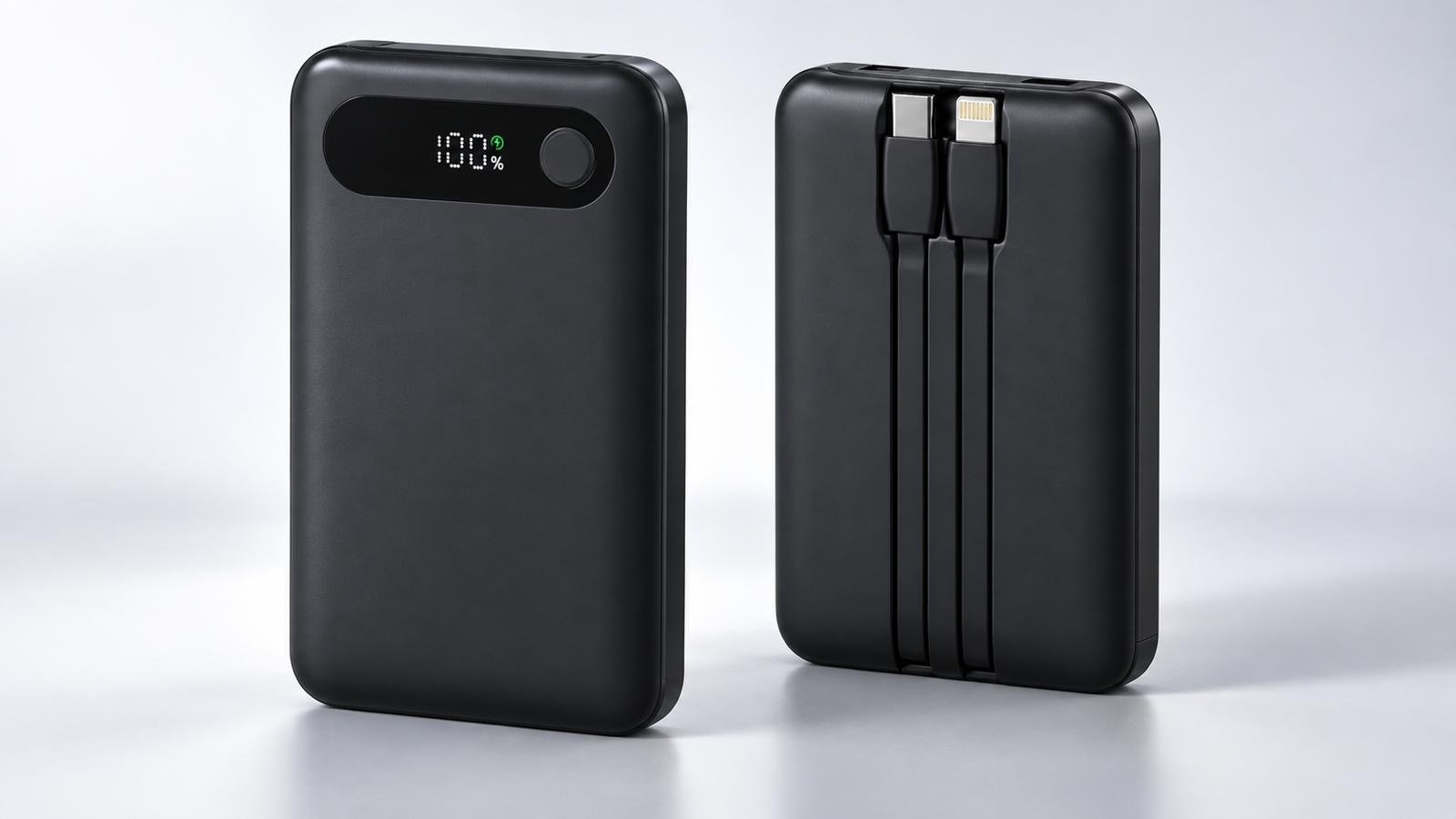
Best for: confirming the pilot lot is building the intended revision.
Model / SKU / pilot lot: ___
BOM / PCBA / firmware: ___
Cell / PACK lot: ___
Cable / connector / housing state: ___
Artwork / packaging revision: ___
Approved alternates used? ___
Decision: Ready / Recheck / Hold
Best for: proving the line can reproduce the released design.
Mold / tooling revision: ___
Assembly / programming fixture: ___
Functional-test equipment: ___
Released work instruction: ___
Critical torque / adhesive / curing step: ___
Calibration / poka-yoke status: ___
Decision: Ready / Correct / Hold
Best for: exposing yield, defect and process instability before scale-up.
Units built / FPY: ___
Rework / scrap / hold: ___
Top defect modes: ___
Charging / PD-PPS / functional result: ___
Thermal / aging / mechanism result: ___
Traceability / label / pack result: ___
Decision: Pass / Repeat Pilot / Hold
Best for: deciding whether the project can move into mass production.
Open critical issue: ___
Root cause / containment: ___
Corrective action / owner: ___
Verification evidence: ___
Released BOM / WI / QC plan updated? ___
Capacity / line readiness confirmed? ___
Release: Approved / Conditional / Hold