
Power Bank Transit Damage: Packaging Validation From Drop Test to Carton Release
A passing drop result is useful only when the tested product, pack configuration and shipment route match the SKU being released.
Validate the finished power bank inside the retail pack and shipping configuration that will travel to the buyer. Define the distribution route, choose a relevant package test, set product-damage and carton-acceptance criteria before testing, and record the SKU, packaging revision, sample condition and results. Then compare production cartons with the approved test sample. A generic certificate or one successful drop does not release a changed pack, insert or master carton.

Packaging is a system: finished unit, retail box, cushioning, dividers, master carton, closure and shipping label. A change to any layer can alter movement, compression or damage exposure. ISTA distinguishes early integrity screening from distribution simulation; its 3A procedure addresses individual parcel shipments, while 3B addresses less-than-truckload distribution. The buyer should select a method for the real route rather than ask only whether a “drop test” passed.
From retail pack to carton release: a four-gate flow
- 1. Freeze identity
Finished SKU, unit revision, retail pack, insert, carton and closure. - 2. Map route
Parcel, mixed load, pallet or export movement and handoffs. - 3. Test and inspect
Predefined procedure, sample condition and product acceptance criteria. - 4. Release production
Compare real cartons with the tested revision; sign the control record.
This flow is an original buyer decision aid. It does not replace a laboratory protocol or applicable dangerous-goods packaging requirements.
Original package-validation matrix
| Shipping situation | What to validate | Release evidence |
|---|---|---|
| Individual e-commerce parcel | Actual ship-ready parcel: retail pack, outer mailer or carton, dunnage and closure | Procedure suited to individual parcels; post-test unit function, case and connector checks |
| Wholesale master carton | Count, dividers, unit movement, carton compression and closure under the planned handling route | Carton specification, pack-out photographs, test report and incoming sample comparison |
| Pack or supplier change | Changed box grade, insert geometry, product mass or carton count | Documented impact assessment and repeat test where needed |
| Damaged arrival | Carton IDs, damage position, units affected, temperature or moisture exposure and function | Containment record, traceability and corrective-action decision |
What a useful report must show
- Exact finished SKU, battery Wh rating, hardware revision and package artwork/version.
- Retail-pack, insert, master-carton and closure specifications with pack-out photos.
- Chosen distribution test, sample quantity, conditioning, orientations and acceptance criteria.
- Before-and-after photos plus measured product function and visible damage observations.
- Test date, laboratory or owner, report identifier, failures, corrective action and retest.
Under ISTA 1A’s overview, the shipper defines product damage tolerance and package degradation criteria before testing; samples should be the actual packaged product or as close as possible. A result without this configuration and acceptance context is weak evidence for production release.
Hypothetical buyer scenario: parcel versus wholesale
A brand approves a master carton for wholesale delivery, then adds direct-to-consumer fulfillment. One retail box is now shipped alone in a parcel, with a new mailer and void fill. The wholesale carton result does not prove the individual parcel configuration. The team identifies the new route, tests the ship-ready parcel, checks unit function and package damage, and records the revised pack before launching that channel. This is a hypothetical process example, not a measured customer outcome.
Transport compliance is a separate gate
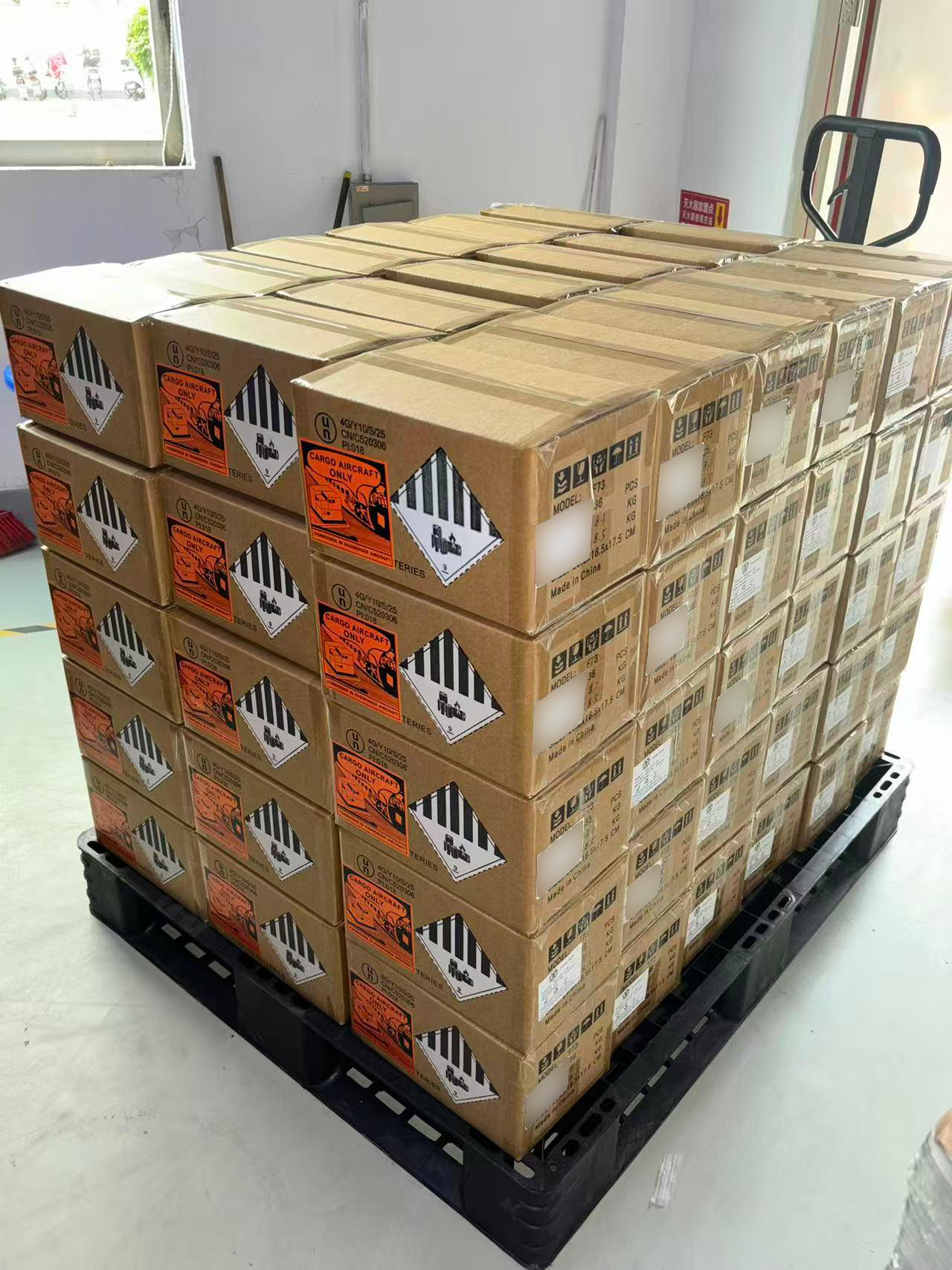
Power banks are lithium-ion batteries for air-transport purposes under IATA’s 2026 guidance, with the applicable UN 3480 packing instruction and state-of-charge rule. A package-performance test does not substitute for classification, UN 38.3 evidence, dangerous-goods marks, labels, documents or carrier acceptance. PHMSA’s shipper guidance also emphasizes packaging that prevents damage and short circuits. Confirm the exact route and current requirements with the responsible dangerous-goods specialist before shipment.
Useful ZEROSET routes
Review product platforms, factory and quality capabilities, the engineering guides and the preceding inventory-aging release guide. Send the exact pack and channel through Get Quote when the RFQ is ready.
Frequently asked questions
Does one passing drop test prove the package is ready?
No. The result must match the exact packed product, chosen procedure, acceptance criteria and intended distribution route.
Should retail and master cartons be tested separately?
Evaluate the configuration that will actually ship. Individual parcel and wholesale master-carton routes expose different pack systems and handling hazards.
When does a packaging change require another test?
Assess every change to product mass, retail box, insert, carton grade, count, closure or route. Repeat testing where the change could alter protection.
Can a package test replace UN 38.3 documentation?
No. Package-performance testing and lithium-battery transport classification are separate evidence streams.
What should be inspected after a transit test?
Check the carton and product against criteria set before testing, including case damage, connectors, charging, output and any safety-related abnormality.
What if the test report names only a product family?
Ask for a traceable mapping to the exact SKU, pack revision and sampled configuration before relying on it for release.
What should a buyer send for packaging review?
Send the SKU and Wh rating, retail pack and carton drawings, pack-out photos, route, expected carton count, damage history and launch channel.
Sources and scope
- ISTA: package-test procedure families and distribution use cases
- ISTA 1A overview: acceptance criteria and representative samples
- IATA: 2026 lithium-battery guidance
- PHMSA: lithium-battery shipper guidance
Release the pack that was actually validated
Show ZEROSET the SKU, packaging revision and route. We can discuss the evidence needed to compare the tested sample with production cartons.