
US Power Bank Launch File: Claims, Transport and Importer Evidence
What should a US importer retain before launching a power bank SKU?
A US launch has at least three different questions: can the advertised claim be defended, can the lithium battery be offered for transport correctly, and can the importer identify and respond to the shipped units? One certificate or test report cannot answer all three.
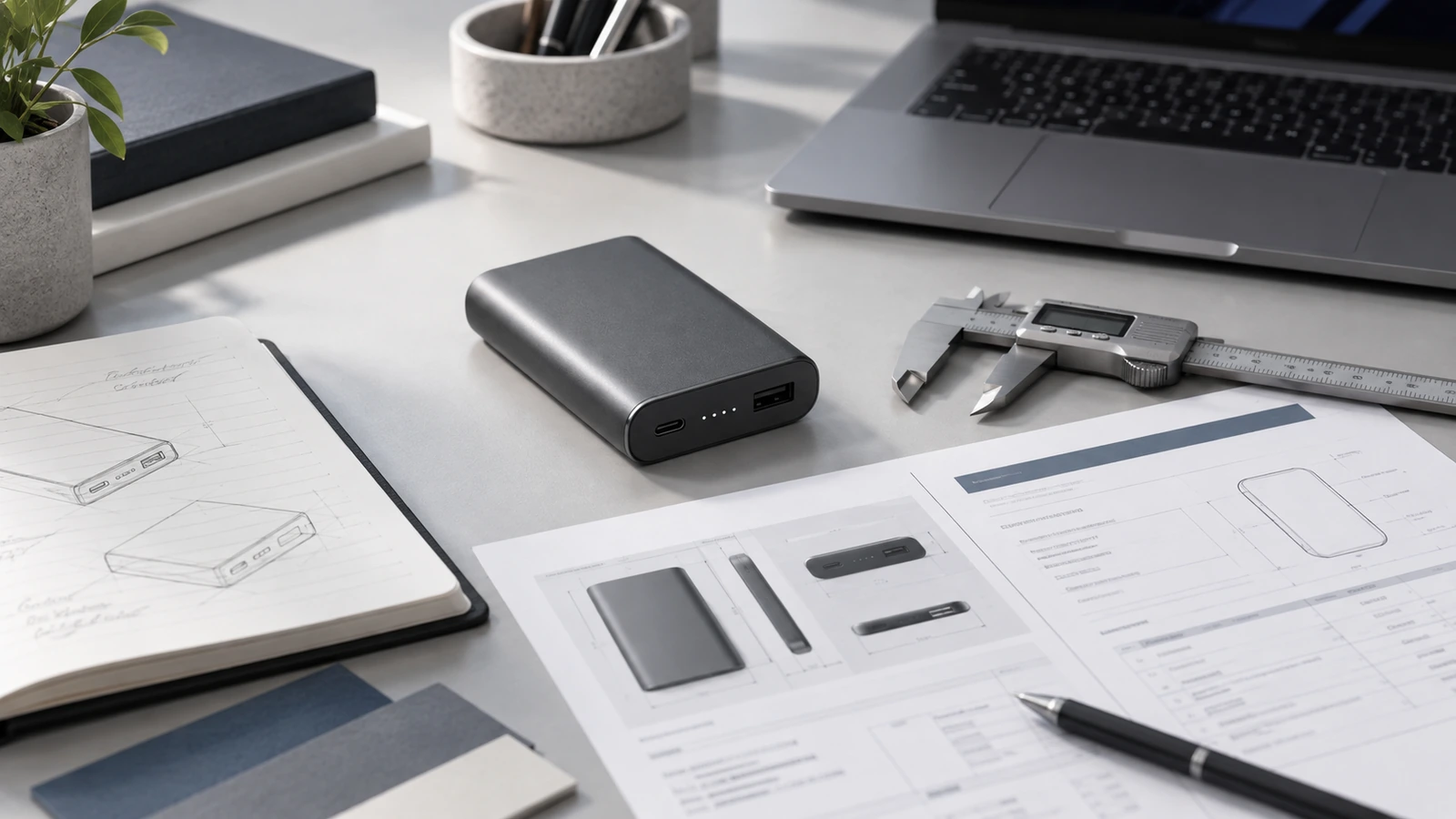
Build a claim file before publication
The FTC’s advertising substantiation policy expects a reasonable basis for objective express and implied claims before they appear in advertising. Translate each package and listing statement into a specific evidence row: capacity, charge time, compatibility, safety language and any certification logo.
Keep device conditions and test revision with performance claims. A qualified statement in an engineering email may become misleading if marketplace copy drops the conditions. Review images, badges and comparison charts as claims too.
Separate transport from retail claims
PHMSA explains that lithium batteries offered for transport must meet relevant UN 38.3 design-test requirements and that manufacturers or distributors must make test summaries available. Confirm the summary relates to the battery design in the shipped SKU, then have the shipper determine classification, packaging, marks and documents for the chosen route.
Passenger carry-on rules published by FAA address travelers and should not be substituted for commercial cargo instructions. A successful air shipment does not validate a retail fast-charge or safety claim.
Give the importer a recoverable SKU record
Retain model and revision, supplier contact, component and finished-unit lot mapping, product/pack labels, English instructions, claim ledger, transport file and shipment IDs. Determine additional applicable product requirements with a qualified US importer or adviser for the exact configuration and distribution channel.
Before release, run a retrieval drill: choose a carton and find its product revision, battery design summary, approved artwork and claim tests. If any link is missing, close the gap before a marketplace listing goes live.
Buyer approval matrix
| US launch question | File item | Owner decision |
|---|---|---|
| What is advertised? | Claim ledger and exact-SKU tests | Wording supported before publication? |
| How is it shipped? | Battery design summary, shipper classification | Route and package checked? |
| Who imported it? | Importer, shipment and lot identity | Can affected units be located? |
| What is on the box? | Approved labels and instructions | Same SKU and conditions as listing? |
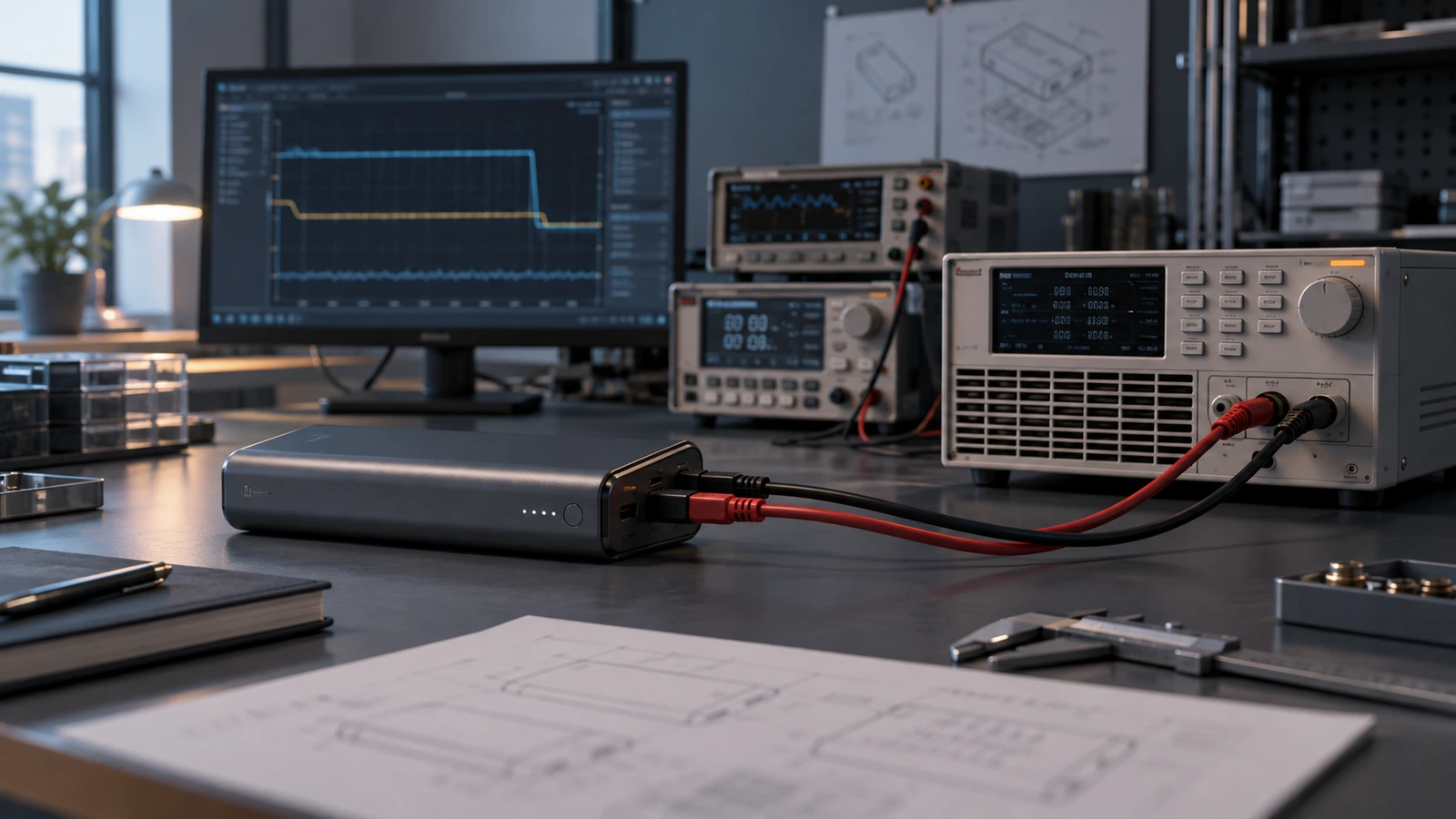
A buyer scenario
Illustrative buyer scenario: a US distributor wants to launch a 20,000 mAh model with a “fast laptop charging” banner. The team has a battery transport summary but no named-laptop charging test and the carton trace points only to a generic model family. The distributor holds the banner and requests an exact-SKU file before publication. This is hypothetical.
Frequently asked questions
Does a UN 38.3 summary prove consumer performance?
No. It concerns battery design transport testing, not the advertised device-charge result.
Can we use a factory test for another model?
Only if the relevant technical equivalence is documented and the claim still fits the shipped SKU.
Does FAA passenger guidance determine cargo shipping?
No. The shipper must apply the commercial transport rules for the chosen route.
When must claim evidence exist?
Before the objective claim is disseminated, under FTC substantiation principles.
Do state rules matter?
Potentially. Ask the US importer to review the exact market and channel in addition to federal requirements.
What if the listing and box differ?
Resolve the discrepancy before launch and archive the approved versions.
What should be in the RFQ?
Specify US channel, target claims, shipment route, lot trace and evidence handoff.
Primary sources and scope
These sources explain standards or rules; they do not certify any ZEROSET model. Verify the exact SKU, destination and current requirements before making a market claim.