
EU Battery Regulation 2027 for Power Banks: QR Data, Labels and Replaceability Checks
What should an EU-bound power bank team check before the 2027 battery-label, QR and replaceability milestones?
First classify the exact battery and product. EU Regulation 2023/1542 sets a QR-code milestone for all batteries from 18 February 2027, but passports apply only to LMT batteries, industrial batteries above 2 kWh and EV batteries. A typical portable power bank should not be called a passport product without classification evidence. Check label timing, QR data, replaceability, instructions and current implementing rules before tooling approval.
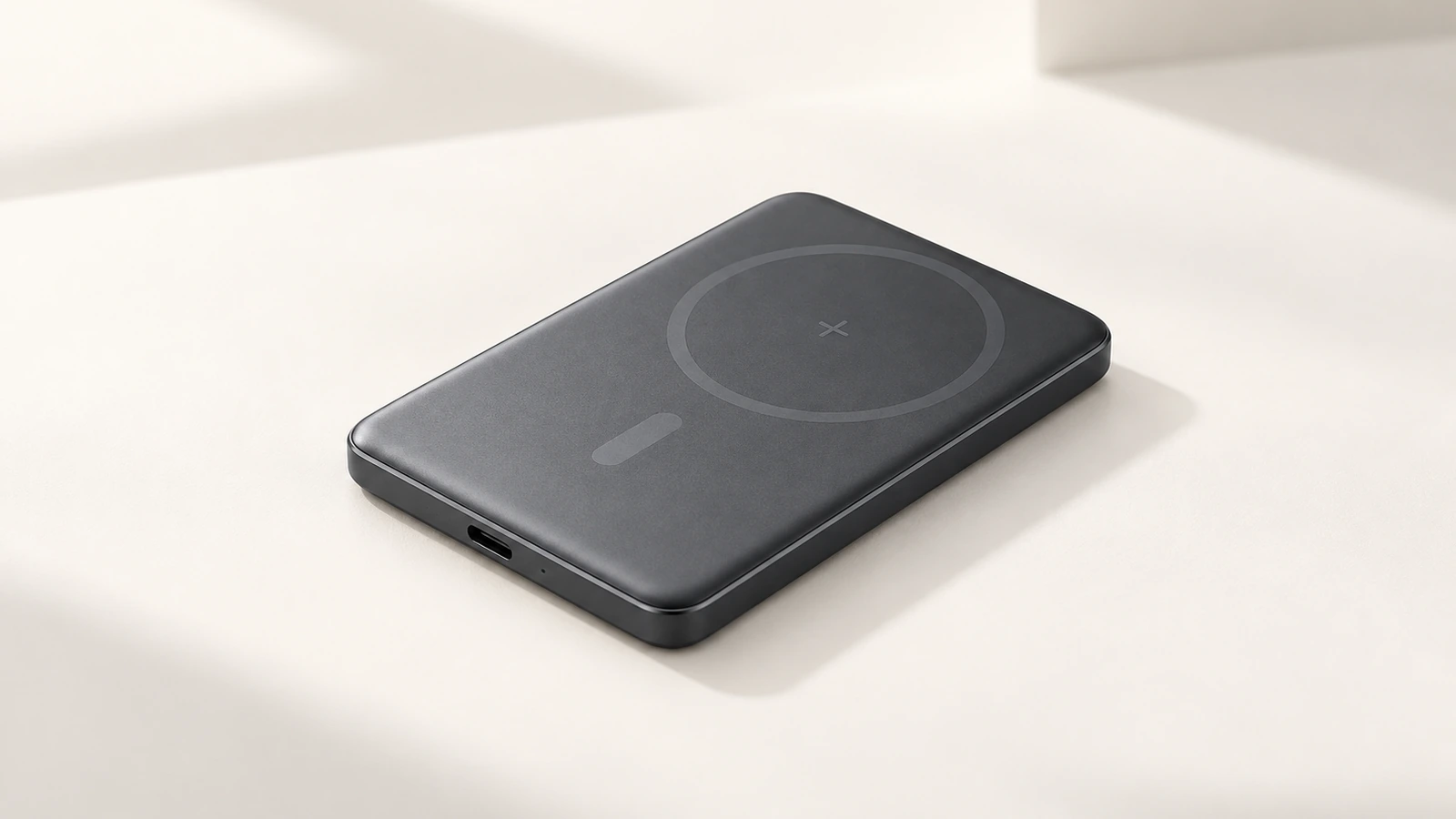
Decision framework for buyers and importers
1. Classify the battery and product
Document whether the power bank is a portable battery, an appliance incorporating one, or another category under the Regulation. Classification changes which provisions apply. A QR code by itself does not establish a battery-passport obligation.
2. Separate the dates and data sets
Article 13 label timing uses the later of 18 August 2026 or 18 months after the relevant implementing act. Its QR rule starts 18 February 2027. Article 77 limits passports to LMT batteries, industrial batteries over 2 kWh and EV batteries. Check the current consolidated law and later acts at artwork freeze.
3. Review service design
Article 11 applies from 18 February 2027 to products incorporating portable batteries, subject to its scope and derogations. Assess enclosure, tools, replacement parts, instructions and safety with engineers and counsel. A sealed power bank needs an exact assessment; do not assume an exemption.
| Workstream | Date / trigger | Owner | SKU record |
|---|---|---|---|
| Battery category | Before design freeze | Regulatory lead | Classification memo and BOM |
| General and capacity label | Later date under Article 13 | Artwork and compliance | Approved label proof |
| QR data and destination | 18 Feb 2027 | Data owner and digital team | Code and live data map |
| Replacement design | 18 Feb 2027 where Article 11 applies | Engineering and legal | Design review and instructions |
This original decision table is a working aid. Apply it to the exact SKU, market and signed agreement.
Evidence file, warning signals and scenario
Evidence checklist
- Battery and product category rationale for each SKU.
- Current Regulation and implementing-act review date.
- Label layout, capacity basis and declarations.
- QR destination, owner, version control and access test.
- Mechanical/service assessment and approved instructions.

Hypothetical buyer scenario
Hypothetical redesign: a team refreshes a sealed shell and retail carton for EU sale in 2027. Before mold approval, it classifies the battery, reviews Article 11 with engineers, reserves legible label and QR space, and assigns a QR data owner. The design changes only after legal and technical sign-off. This is a planning example, not a certification.
Continue with the previous article in this commercial-risk series, review power bank platforms and factory and quality information, or use the engineering guides when preparing an exact-SKU RFQ.
Frequently asked questions
Does every power bank need a passport in 2027?
No. Article 77 limits passports to LMT, industrial batteries above 2 kWh and EV batteries; classify the exact product.
Do all batteries need a QR code?
Article 13(6) sets a QR requirement from 18 February 2027, with content varying by category.
Is the general label deadline simply 18 August 2026?
No. Article 13 uses the later of that date or 18 months after the relevant implementing act.
Does a QR code prove compliance?
No. Underlying data, declarations, design and conformity work must be correct.
Can a sealed shell be assumed exempt?
No. Review Article 11 scope and its limited derogations for the exact design.
Who maintains the QR destination?
Name a data owner with version and availability controls.
Should artwork print before legal review?
No. Freeze it after current law, later acts and SKU evidence are checked.
Primary sources and scope
Send the product revision, destination, sales route and decision deadline. ZEROSET can review the requested OEM/ODM file and route questions to engineering and quality.