Character Power Banks for Licensed Gift Brands: OEM Design and Manufacturing Guide
Turn a character concept into a usable battery product with rights, tooling and packaging gates.
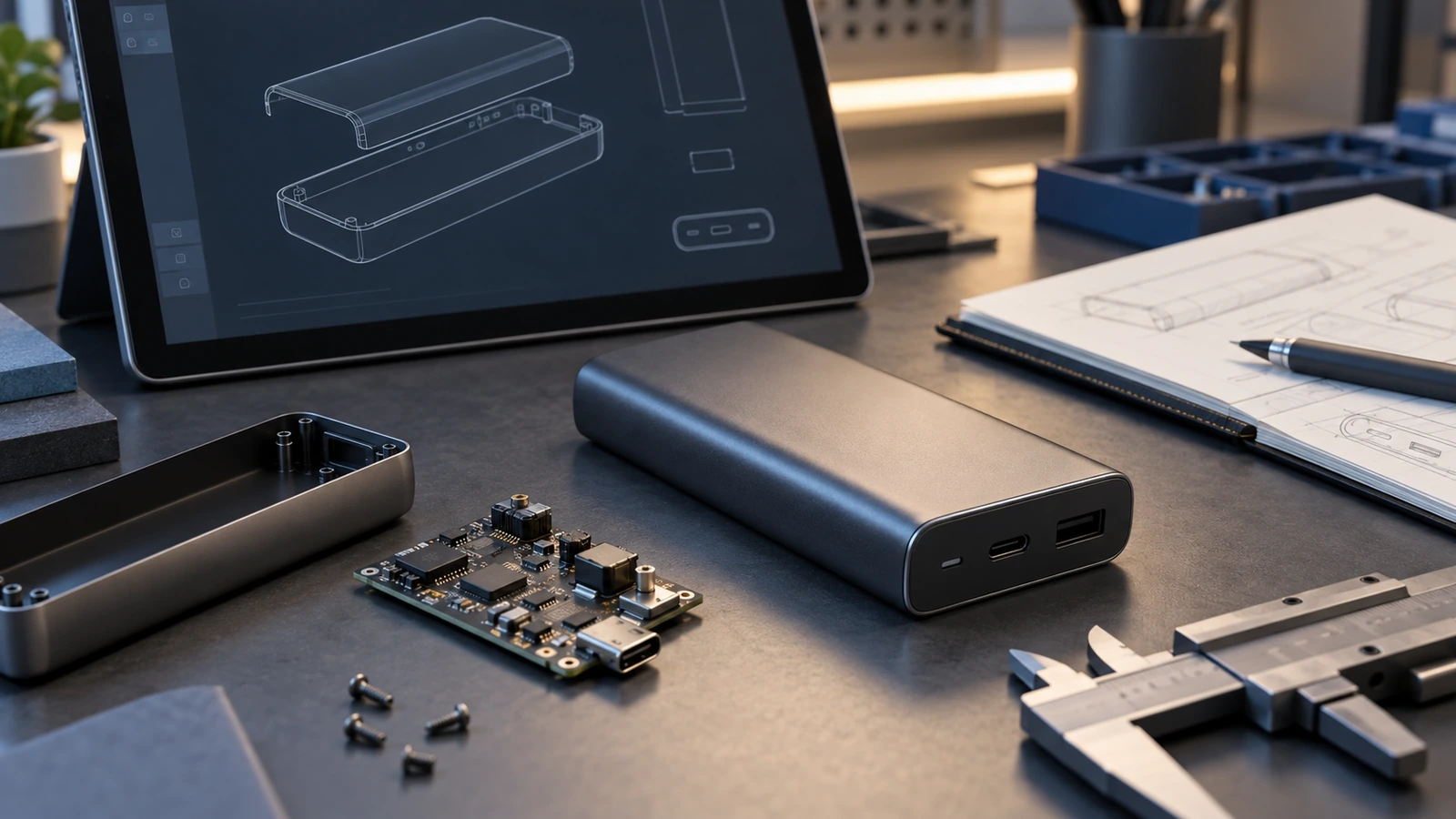
Start with the rights and intended retail audience, then design the character around battery, PCB, ports, heat path, assembly and required markings. Validate a plain engineering mockup before polishing ears, faces or other decorative geometry. Approve artwork permissions, physical prototype, electrical test scope, drop/handling behavior and retail box as one development program. A licensed design must never be assumed available for another customer.
What current evidence tells a buyer
PPAI measured $27.1 billion in 2025 U.S. promotional-products channel sales. This covers the entire promo sector, not character batteries. It supports evaluating branded merchandise as a commercial channel while keeping the power bank's actual demand, license terms and engineering economics separate.
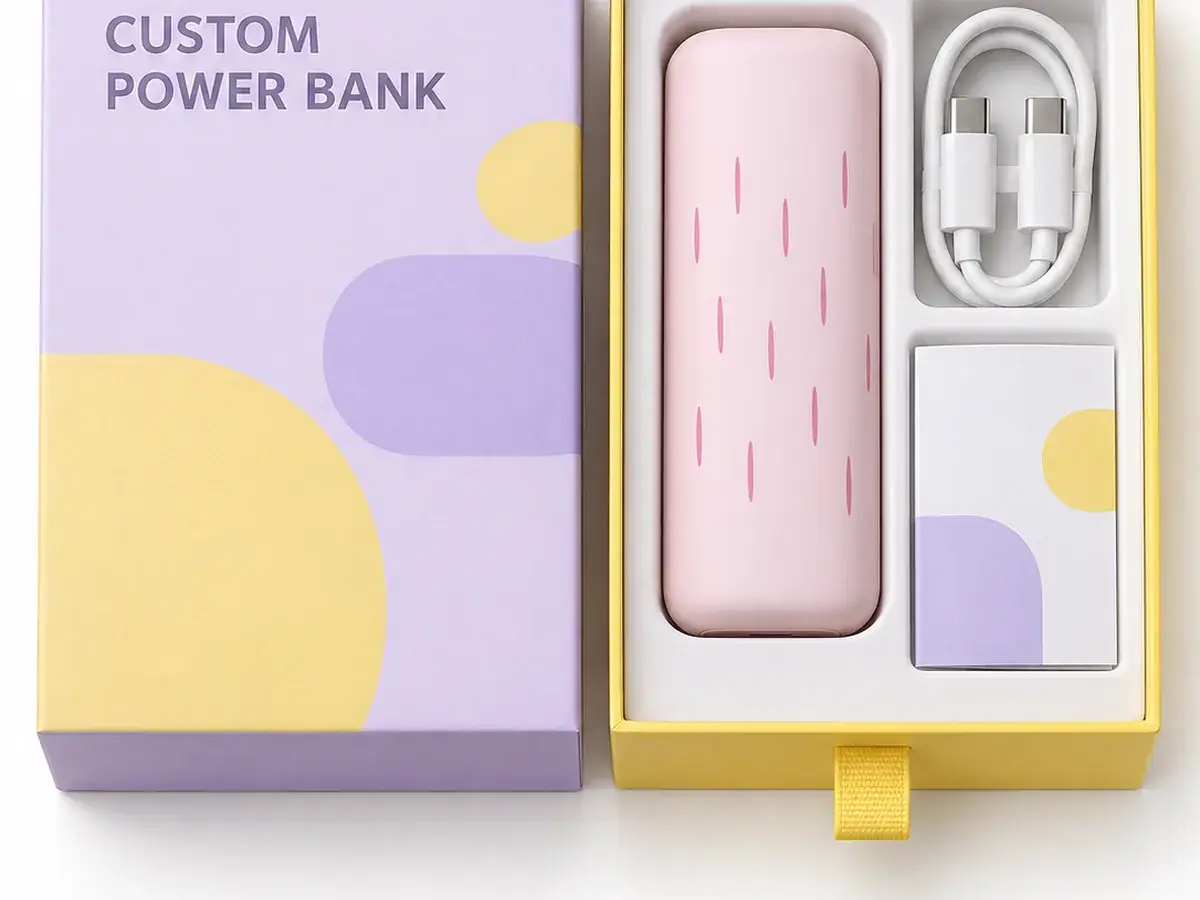
A character may attract a gift buyer, but a battery product still has to work, charge and survive ordinary handling. Protruding ears, feet or accessories can complicate molds and drop performance. The face may reduce space for a display or labels. The pack must make capacity, connectors and battery care readable without undermining the design. Cost includes tooling, finish, multiple-color masking, assembly time and rights management.
The cited market figures measure their stated channels or populations. They do not prove sales or demand for this exact power-bank SKU.
From artwork to validated product
Use stage gates so a charming render does not become an expensive, unserviceable shell.
| Buying role | Supplier brief | Approval gate |
|---|---|---|
| Existing platform + sleeve | Character graphic/pack on a verified bank | Check rights, print durability and honest product photos. |
| Modified housing | Decorative parts around known battery/PCB architecture | Test fit, drops, heat, assembly and label placement. |
| New character mold | Full custom external shape and internal layout | Approve tooling ownership, prototypes and safety validation before volume. |
Character products can have more SKU variants than an ordinary black bank. Limit first colors and designs to rights-approved, forecastable options, and reserve space on the packaging for required technical information.
“The character sells the first look; the battery has to earn the second use.”
A giftable silhouette can add emotional value, but it concentrates engineering constraints in a small shell. The visible design should be developed alongside charging performance and safe assembly.
The unusual challenge is geometry under license. Decorative parts, character proportions and legal artwork restrictions can conflict with battery volume, port access, marking space and production yield.
ZEROSET model and image reference
The Cute Bunny case documents a pink character sample with no visible capacity or wattage claim. The MINISO F69/F76-B/F86 case provides a separate portfolio reference for compact direct-use and built-in-cable retail directions. These references show design and range choices, not reusable artwork rights.
The images are project references. Confirm ownership and licensing for any character, name, packaging or logo before manufacturing.
Supplier brief and release gates
Use one controlled file for the exact battery, electronics, cable, artwork, destination and sales route. Ask the factory to identify the model revision on every sample and document.
- Confirm rights and audience. Record license scope, territories, channels and approval contacts.
- Choose technical core. Define capacity/Wh, output, ports, cell and required labels.
- Build physical prototype. Inspect comfort, protrusions, cable route, heat and assembly.
- Validate finish and safety. Test print wear, drop/handling behavior and the exact battery configuration.
- Approve retail pack. Show accurate specifications, warnings, barcode and rights notices.
Before signing a purchase order, request quantity tiers, sample approval criteria, packaging and carton details, document ownership, production timing and a written component-change procedure. Review real device performance rather than relying only on brochure specifications.
Frequently asked questions
Can ZEROSET copy a famous character?
Only with valid rights and approval for the exact artwork and territory.
Does the Cute Bunny sample show its capacity?
No; the visible sample does not confirm capacity or wattage.
Is a new mold always necessary?
A graphic or accessory change on an existing platform may be enough, depending on the concept.
What raises tooling cost?
Complex geometry, multiple parts, finishes and revisions can add work.
Can decorative ears be structural?
They need design and durability testing before that claim is made.
What should a buyer send?
Rights evidence, artwork, target devices, budget, market and launch schedule.
Sources and scope
- PPAI 2025 Sales Volume Estimate — branded merchandise context
- Cute Bunny case — character design reference
- MINISO case — retail portfolio reference
Checked October 2026. The assortment recommendations are sourcing scenarios for 2027 and must be validated with item-level tests, current platform rules and destination requirements.
Send your rights-approved artwork, target capacity, market and launch quantity. ZEROSET can scope a platform adaptation or new-mold development route.