
Built-In Cable Power Bank Durability: Acceptance Gates Before Retail Launch
What must a buyer approve before launching a built-in-cable power bank?
A built-in cable removes a common shopper friction, but it creates a wear point that is hard to replace. The buyer’s sign-off should turn “convenient” into a cable-path acceptance plan with observable failures and a reapproval trigger.
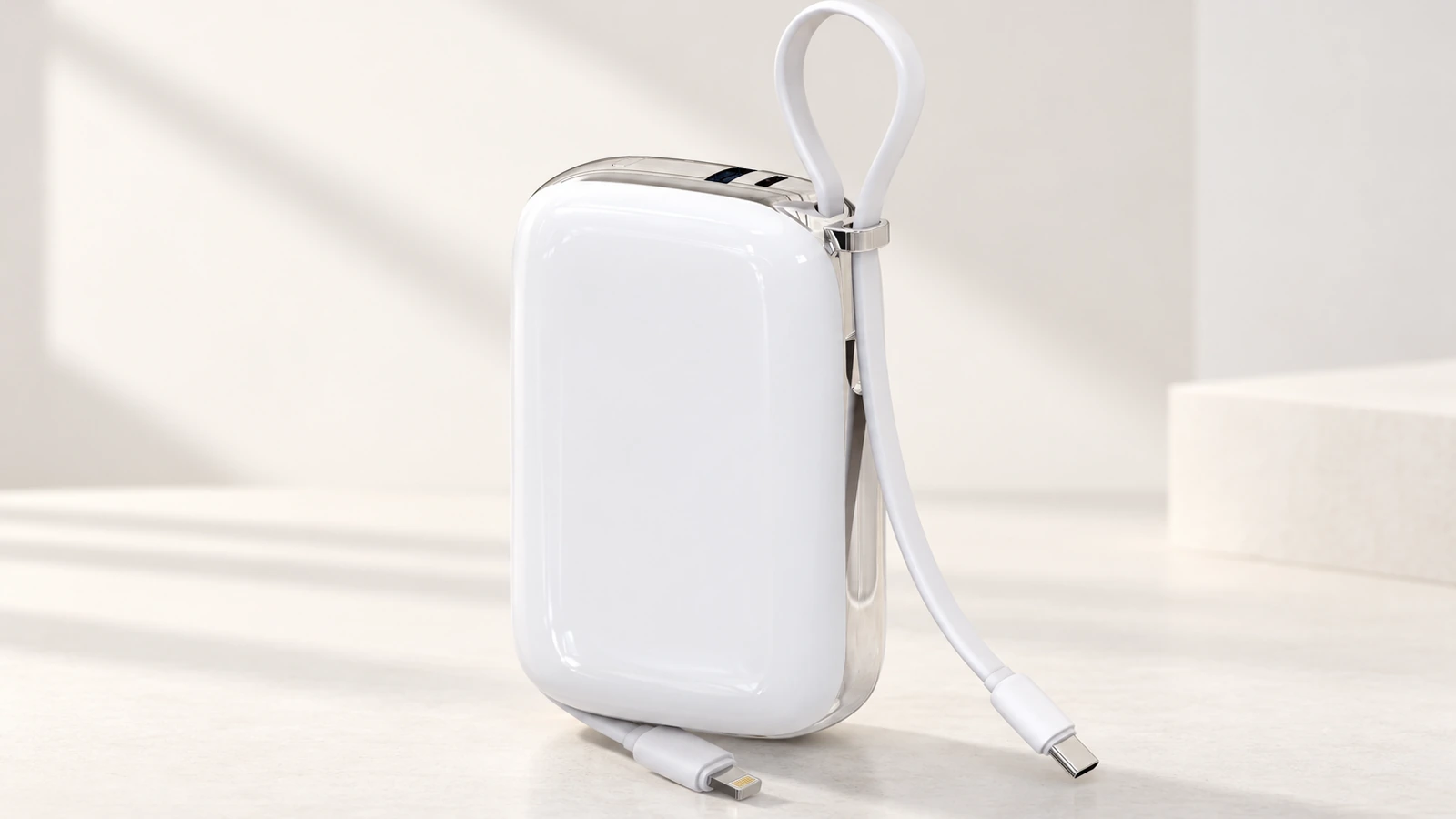
Map how people actually handle the cable
List the motions the design invites: pull from a recess, carry by the device, bend around the housing, connect in a pocket, and return the cable repeatedly. Decide which motions are intended, which need a warning, and which the geometry should discourage. A cycle count without a motion description is weak evidence.
Separate the cable conductor, connector shell, strain relief, exit slot and storage retention. Failure at any one point can turn the entire power bank into a return. Photograph the approved sample and record the cable path and connector dimensions.
Write a failure-aware acceptance method
Ask the supplier to state the bend radius, pull direction and load, cycle rhythm, pass/fail checks and sample count before testing. Observe charging and connector fit both before and after mechanical conditioning. A working indicator light is not enough if the cable drops out under load.
Use the included cable in device tests and compare it with any removable-port alternative. If the product offers a second port, check whether the two routes share a power budget and whether the box copy distinguishes them.
Protect the approved sample through production
Freeze cable supplier, conductor/connector specification, strain-relief tooling and firmware with the approved sample. Incoming inspection should verify the parts that matter to the failure mode; pilot build should check assembly alignment and snag points.
A cable supplier or tooling change is not a cosmetic substitution. Reopen the relevant mechanical and charging gates before production or artwork is released. Keep the evidence ID in the SKU file so customer support can find the tested configuration.
Buyer approval matrix
| Gate | Method recorded | Reject or reopen when |
|---|---|---|
| Handling | Intended pull, bend and storage motions | Cable catches, detaches or kinks |
| Mechanical | Defined load/cycles and post-check | Intermittent or damaged connection |
| Electrical | Named devices before/after conditioning | Negotiation or charging changes |
| Production | Cable lot, tool and assembly check | Supplier or geometry changes |
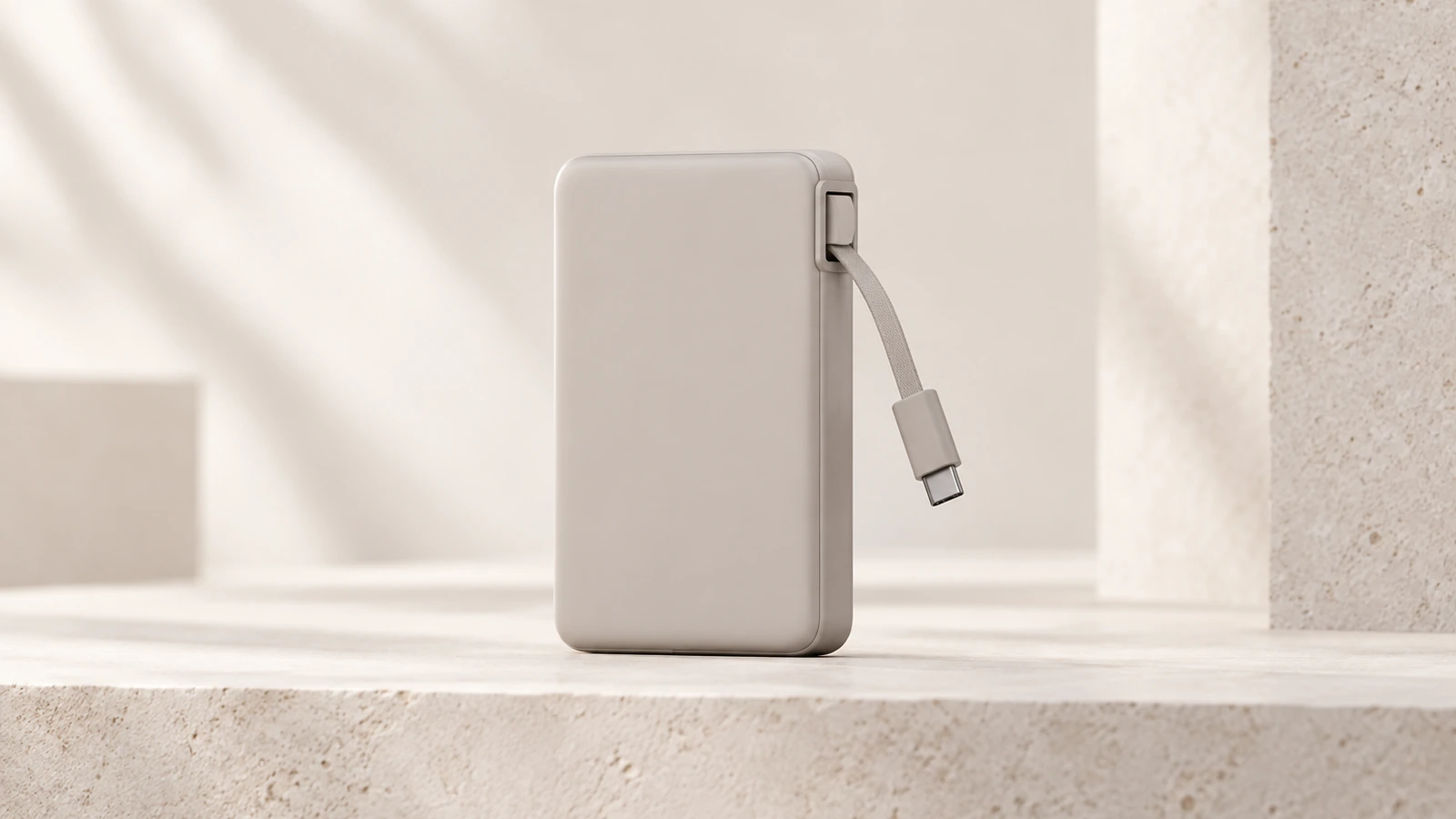
A buyer scenario
Illustrative buyer scenario: a retailer likes a compact built-in-cable sample. A demo unit charges correctly on a desk, but repeated pocket retrieval bends the cable at the exit slot. The buyer asks for a revised strain relief and a repeatable handling test before signing off on packaging. This is an invented decision scenario, not a ZEROSET test result.
Frequently asked questions
Is a cable bend-cycle number enough?
No. Record the actual bend geometry, force, rhythm, sample count and post-test electrical checks.
Should buyers test the cable after mechanical conditioning?
Yes. A cable may look intact while charging becomes intermittent.
Can the built-in cable be described as replaceable?
Only if the exact SKU is designed and supported for replacement.
What if there is also a USB-C port?
Test and describe each route and any shared power limit separately.
When must a cable change be approved again?
After supplier, connector, conductor, strain-relief or tooling changes that affect the approved path.
What should an RFQ specify?
State intended handling, target devices, charging claim, desired test method and packaging promise.
How should returns feed back into design?
Tag failures by location and lot, then compare them with the approved sample and assembly records.
Primary sources and scope
These sources explain standards or rules; they do not certify any ZEROSET model. Verify the exact SKU, destination and current requirements before making a market claim.