Detailed buyer notes for F69, RPP-152, CP-6 and RPP-635. External evidence links stay outside the FAQ.
Does this case cover every REMAX power bank?
No. It covers F69, RPP-152, CP-6 and RPP-635. Other REMAX listings are used only as market context.
This REMAX case concerns identified products and cited market references; it does not establish that ZEROSET manufactures every REMAX power bank. Keep F69, RPP-152, CP-6 and RPP-635 evidence separate, because a shared brand does not mean a common factory, platform or certification file. Prospective OEM buyers can use the comparison to understand retail positioning while verifying each proposed unit independently. These points are especially relevant to importers, retail chains and private-label electronics brands evaluating a China power bank manufacturer. Technical discussions should cover the approved cell/PACK and PCB, rated input and output rather than headline wattage alone, labeling for the selling market and sample acceptance criteria. Where the case provides no proof of a particular volume or certification, do not treat it as established.
What does the F69 Thailand case show?
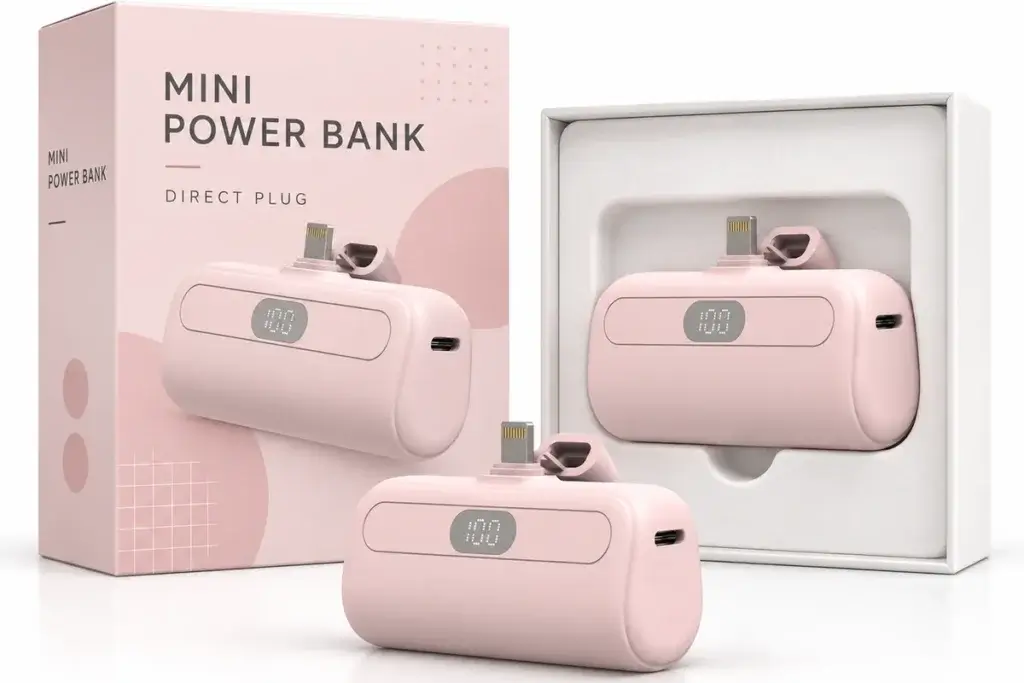
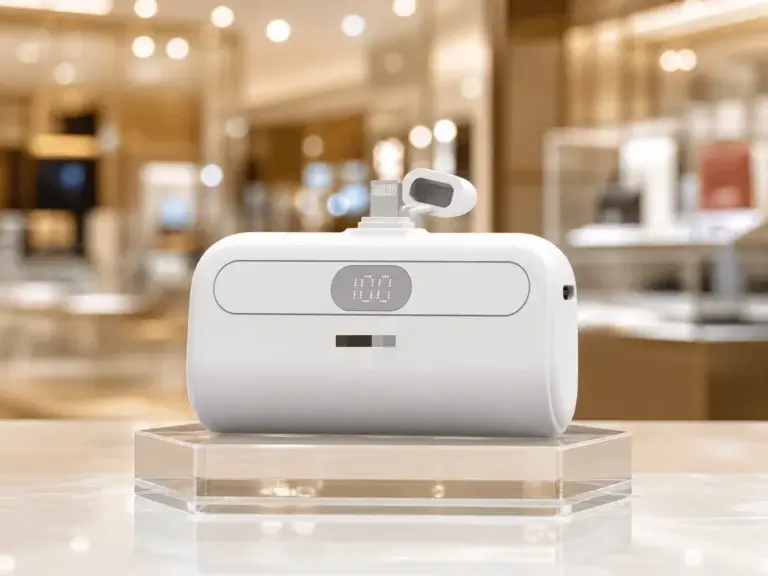
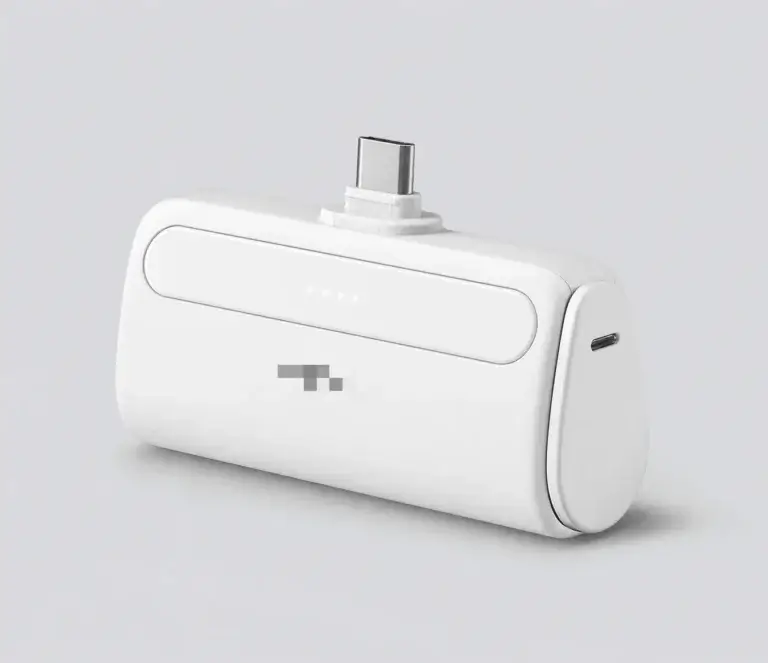
A compact 5,000mAh-class direct-use platform, approximately 79 × 49 × 26mm and about 96g, adapted through CMF, branding and packaging.
The F69 Thailand example points to a compact entry or core retail power bank direction suitable for discussing price positioning, charging performance and branded presentation. A similar program should be specified using the actual mAh and Wh values, USB outputs, surface finish, color assortment and local packaging language. Do not imply that an identical silhouette guarantees the same production origin or technical performance. Buyers considering their own 10,000mAh or 20,000mAh power bank project should ask for an exact-SKU quotation and a comparison of appearance, charging behavior, reliability checks, packaging and required shipping documentation. Brand-name references can inspire retail positioning, but the commercial decision should rest on tested requirements and an independently approved OEM configuration.
What does RPP-152 evidence support?
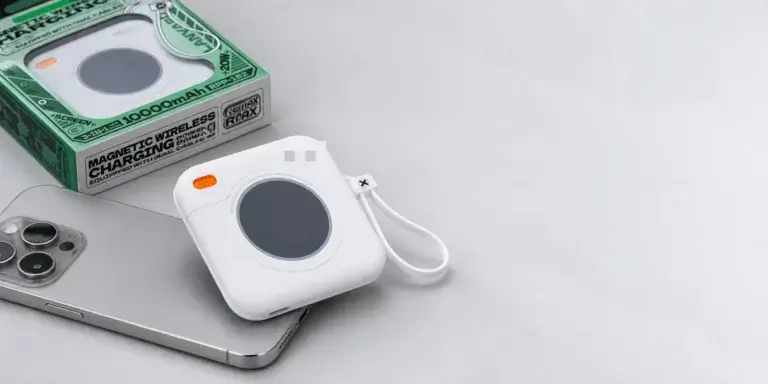
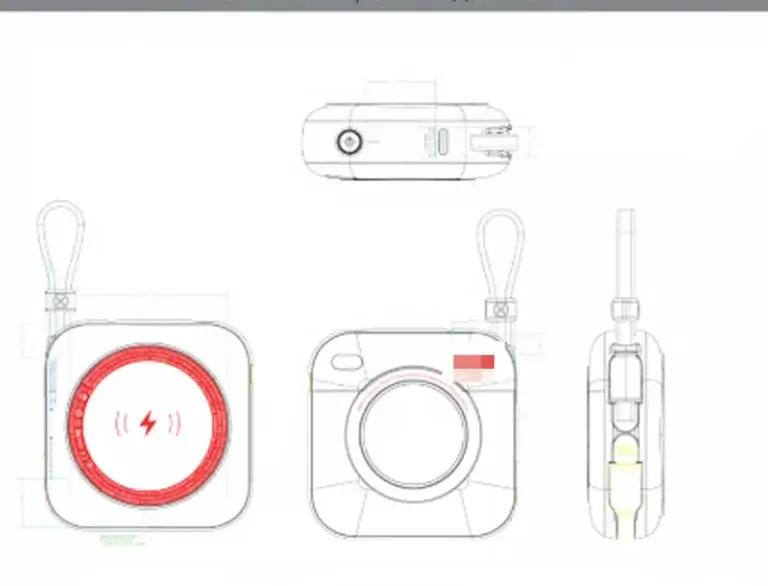
Engineering artwork documents 10,000mAh, 15W magnetic wireless, built-in cable and PD20W. A matching project record documents a 100,000-unit customized program.
RPP-152 references can help explain product format, public listing claims and regional assortment strategy, but their evidentiary value must remain limited to what the published material actually demonstrates. A listing should not be cited as proof of ZEROSET production, purchase quantity or a specific internal cell. A buyer comparing an OEM alternative should evaluate the desired capacity, ports, fast-charging profiles and retail price. For a procurement-ready comparison, ZEROSET recommends documenting the destination market, forecast quantity, desired logo and carton presentation, target charging devices and planned sales channel. Such details let an OEM/ODM power bank supplier distinguish validated existing platforms from changes that need engineering review, instead of offering generic specifications as if they fit every brand and country.
What does the CP-6 case show?
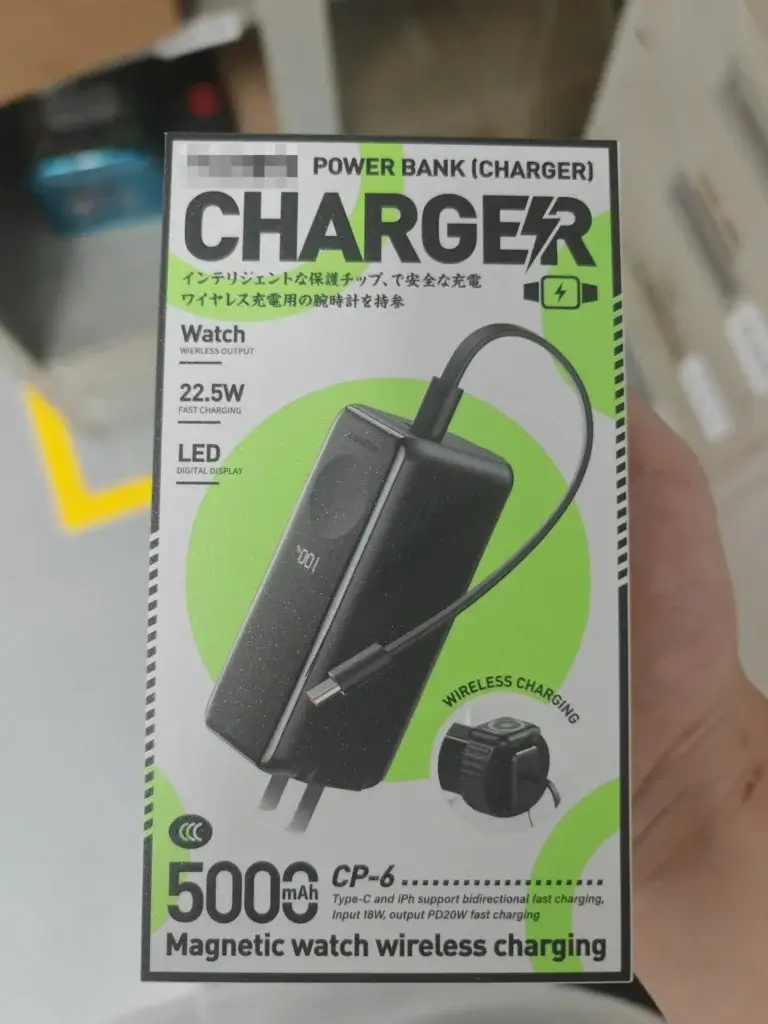
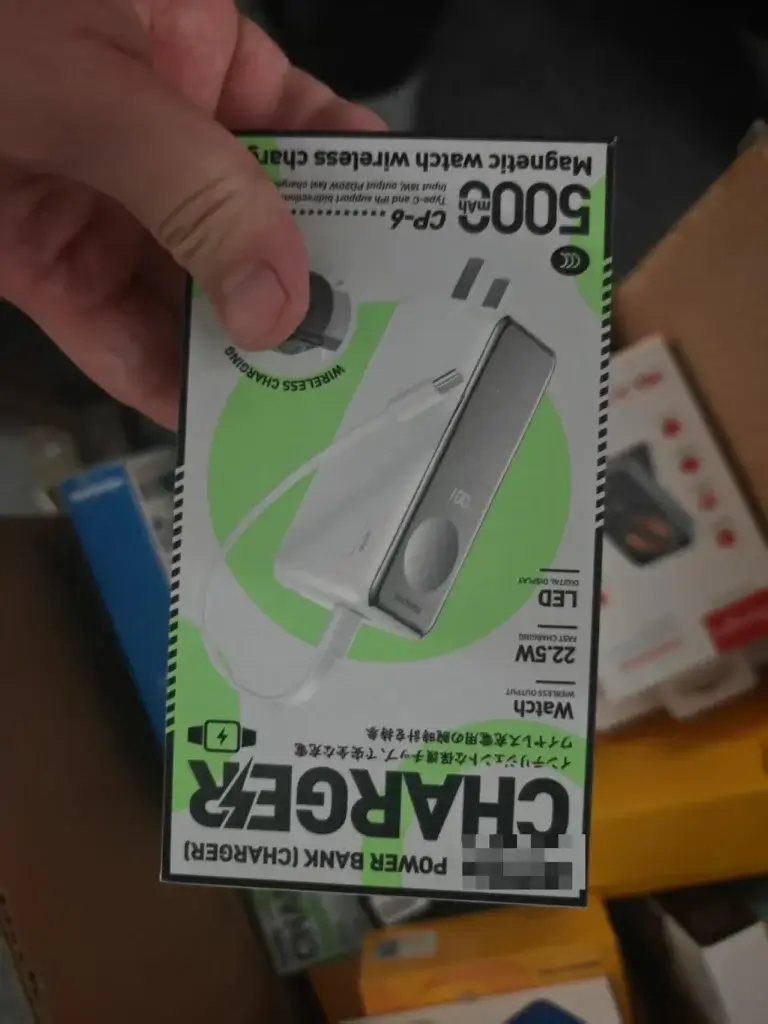
A documented 5,000mAh AC / travel program with folding plug and built-in cable / lanyard. Project and export records reference model-specific UN38.3, MSDS and transport files.
CP-6 is discussed as an AC/travel-oriented power bank format, a product category that requires more careful input and mode-by-mode verification than an ordinary battery-only model. For a comparable OEM development request, specify wall-plug standard, AC input, charging-port performance, protective features and destination markets. A 100–240V input marking does not mean the physical plug and safety documentation are suitable for every country. These points are especially relevant to importers, retail chains and private-label electronics brands evaluating a China power bank manufacturer. Technical discussions should cover the approved cell/PACK and PCB, rated input and output rather than headline wattage alone, labeling for the selling market and sample acceptance criteria. Where the case provides no proof of a particular volume or certification, do not treat it as established.
What is REMAX RPP-635?
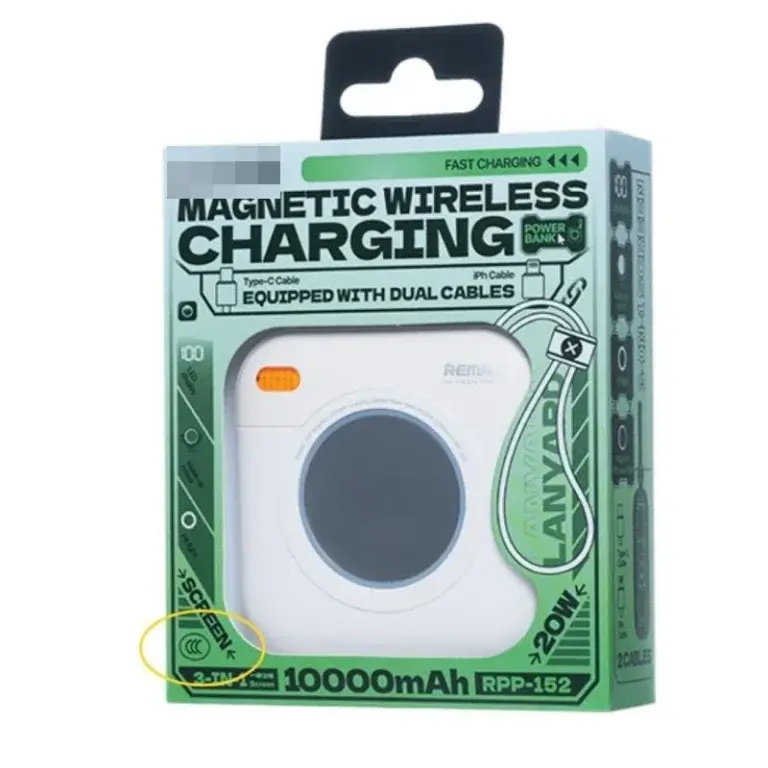
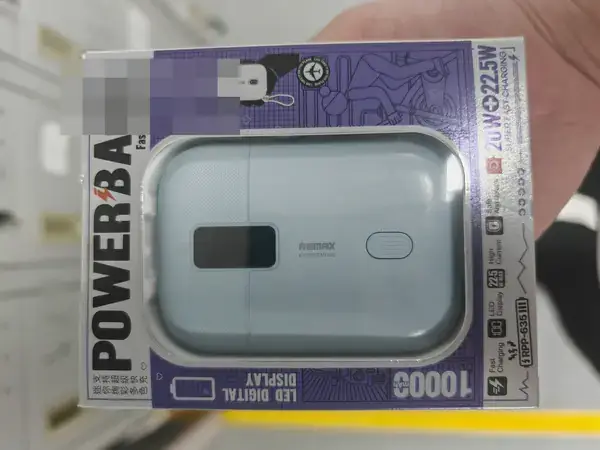
A compact 10,000mAh power bank with built-in Type-C and Lightning cables, up to 22.5W fast charging and LED battery display. The supplied box confirms model, capacity, charging tier and built-in-cable format.
RPP-635 is a separate REMAX product reference, not automatically the same platform as F69, RPP-152 or CP-6. When interpreting brand assortment evidence, record which claims originate from the brand or retailer and which originate from tested engineering samples. That prevents buyer-facing materials from conflating unrelated designs under one supplier claim. Buyers considering their own 10,000mAh or 20,000mAh power bank project should ask for an exact-SKU quotation and a comparison of appearance, charging behavior, reliability checks, packaging and required shipping documentation. Brand-name references can inspire retail positioning, but the commercial decision should rest on tested requirements and an independently approved OEM configuration.
What detailed RPP-635 specifications are publicly listed?
About 86 × 60 × 26.2mm and 191g; Type-C input up to 18W; Type-C cable output up to 22.5W; Lightning cable output up to 20W; Type-C port output up to 20W; up to three-device charging; and multiple color variants.
Public RPP-635 specifications may cover nominal capacity, connector arrangement, power output and size, but the exact technical data must be checked against a dated, model-specific source. If a listing omits charging protocol details, output allocation or rated energy, those fields should be labeled unverified rather than inferred. This matters especially when buyers compare 22.5W and higher-output OEM power banks. For a procurement-ready comparison, ZEROSET recommends documenting the destination market, forecast quantity, desired logo and carton presentation, target charging devices and planned sales channel. Such details let an OEM/ODM power bank supplier distinguish validated existing platforms from changes that need engineering review, instead of offering generic specifications as if they fit every brand and country.
How should RPP-635 certification claims be interpreted?
Some distributor pages mention CE, FCC, RoHS and air-travel suitability. Verify the exact SKU, certificate number, destination market and current transport rules before procurement.
Certification statements for RPP-635 must be evaluated against the specific SKU, testing entity, report date, model designation and intended region. Marketing badges alone do not prove that an importer has every necessary document or that a modified ODM variant is covered. A buyer should request the underlying reports and battery transport information relevant to the final assembly. These points are especially relevant to importers, retail chains and private-label electronics brands evaluating a China power bank manufacturer. Technical discussions should cover the approved cell/PACK and PCB, rated input and output rather than headline wattage alone, labeling for the selling market and sample acceptance criteria. Where the case provides no proof of a particular volume or certification, do not treat it as established.
Can ZEROSET develop a similar REMAX-style program?
Yes. Start from a mature platform for logo, CMF, artwork and packaging, or move into deeper ODM for ports, cables, PCB, battery configuration or internal structure.
ZEROSET can assess a comparable private-label OEM/ODM direction without presenting it as an authorized REMAX reproduction. Begin with the desired customer, retail price, capacity, power tier, connector layout, packaging and forecast quantity. A mature platform may fit the brief, while an original housing or changed PCB should be treated as a development project requiring engineering and test review. Buyers considering their own 10,000mAh or 20,000mAh power bank project should ask for an exact-SKU quotation and a comparison of appearance, charging behavior, reliability checks, packaging and required shipping documentation. Brand-name references can inspire retail positioning, but the commercial decision should rest on tested requirements and an independently approved OEM configuration.
What are the usual MOQ and timing?
Mature models typically start from 1,000 pcs per model / design; deeper platform ODM starts from 2,000 pcs per model. Standard samples are typically 7–10 days and mature-project mass production is typically around 30 days, subject to confirmed specifications, packaging, certification requirements, payment milestones and production schedule.
What should a buyer send to evaluate a similar project?
Send target model format, capacity, charging power, cable or plug layout, quantity, branding, packaging and destination market so ZEROSET can match the project to an existing platform or ODM route.