
Power Bank Range Architecture: Entry, Core and Differentiated SKUs
A buyer framework for building a range in which every SKU has a clear job—rather than filling a catalog with products that differ only by capacity or wattage.
“We had six power banks in the range. The retailer saw three versions of the same product.”
That is the portfolio problem many own-brand teams discover too late. Entry, core and differentiated are not fixed capacities or price points—they are jobs in an assortment.
A stronger range gives the shopper a reason to move from one SKU to the next while keeping engineering, documentation and supply complexity manageable.
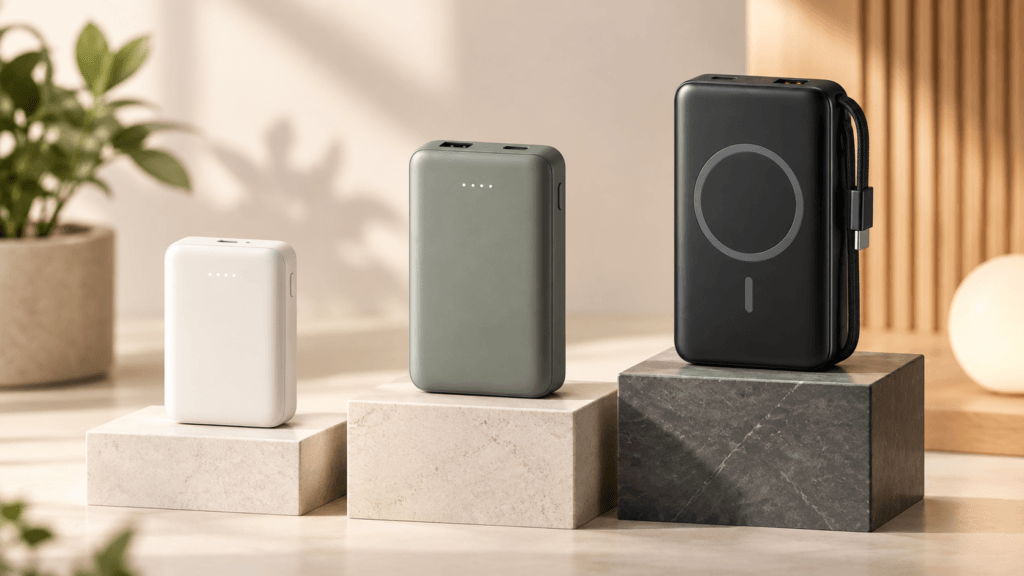
Define the Role Before Selecting the Model
- Entry, core and differentiated are assortment jobs—not fixed mAh or price bands.
- A 20K model is not automatically premium, and a 5K model is not automatically entry.
- Every SKU should answer a different buyer question in one sentence.
- Range design must stay connected to buildability, documentation and version control.
Three Roles to Define Before Choosing Models
| Range role | Buyer question | Decision to test |
|---|---|---|
| Entry | What is the simplest trustworthy everyday option? | Compact form, clear charging promise, disciplined cost and packaging |
| Core | What solves the most common daily-carry need? | Capacity, built-in convenience, weight and channel fit |
| Differentiated | Why choose this brand instead of another listing? | Distinct form, magnetic or travel use, CMF, controlled upgrade or new design |
What Public Product Pages Can Show
As checked in September 2026, G-TIDE Slim 01 presents a compact magnetic format, Multi X1 presents a 10K dual-cable format, and Traveler 1 adds an AC/travel proposition. Anker A1383 illustrates a different higher-capacity, higher-output role.
Run a Four-Step Range-Gap Exercise
1. Map what shoppers already see
For each SKU, record the target channel, use case, capacity/Wh, output, cable or wireless architecture, size, design language, price position and market version.
2. Choose one gap
Ask whether daily carry is too heavy, integrated convenience is missing, the magnetic offer is only a visual variation, or the travel product is difficult to explain. Pick the most valuable gap instead of filling every feature combination.
3. Test the supply route
Compare the gap with current ZEROSET categories. A mature platform may cover the role; a controlled change may be enough; a new architecture belongs on the Custom Development path.
4. Protect the range after launch
Define the golden sample and version for each SKU, keep model-specific specifications and packaging aligned, and document changes to the cell, electronics, cable and housing.
Useful ZEROSET Resources
FAQ
Is entry always the lowest-capacity model?
No. Entry is the simplest trustworthy role for the target channel. Capacity is only one part of that proposition.
Can two 10K models coexist in one range?
Yes, if they solve visibly different jobs—for example everyday built-in cable versus magnetic or travel convenience.
What is a good sign that the range is too crowded?
If the sales team cannot explain the difference between adjacent SKUs in one sentence, the assortment probably needs stronger role separation.
Related News
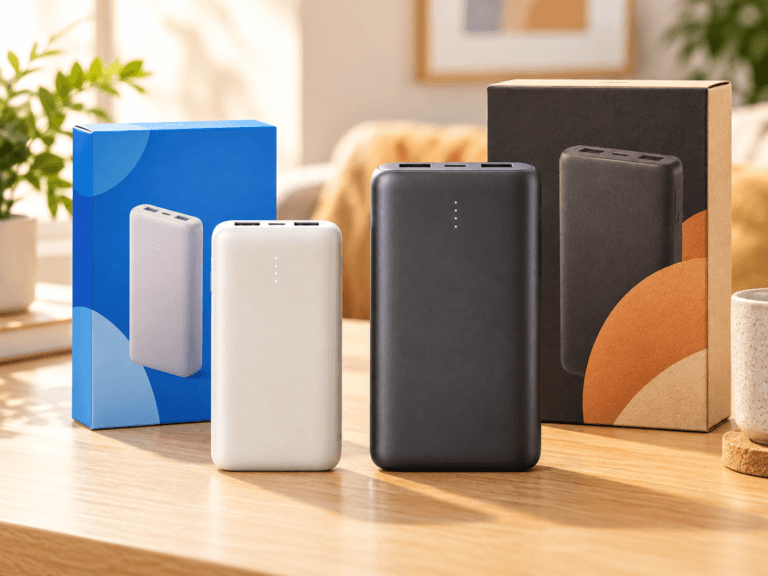
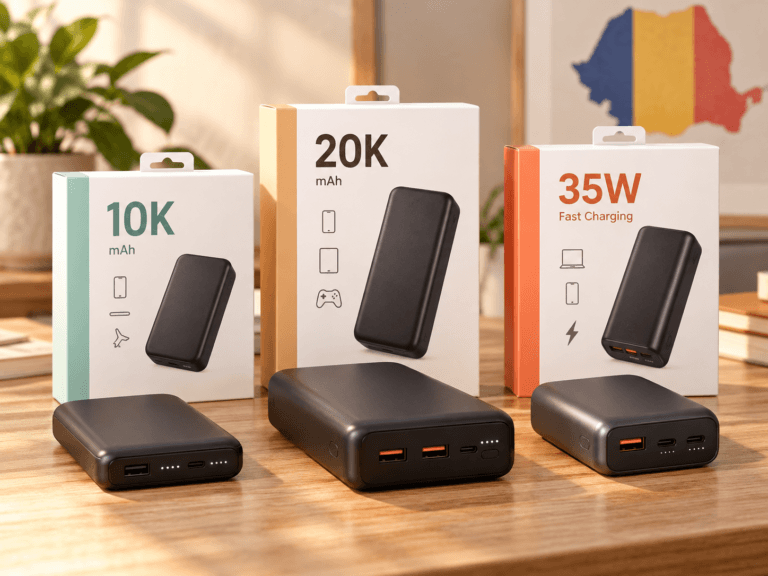
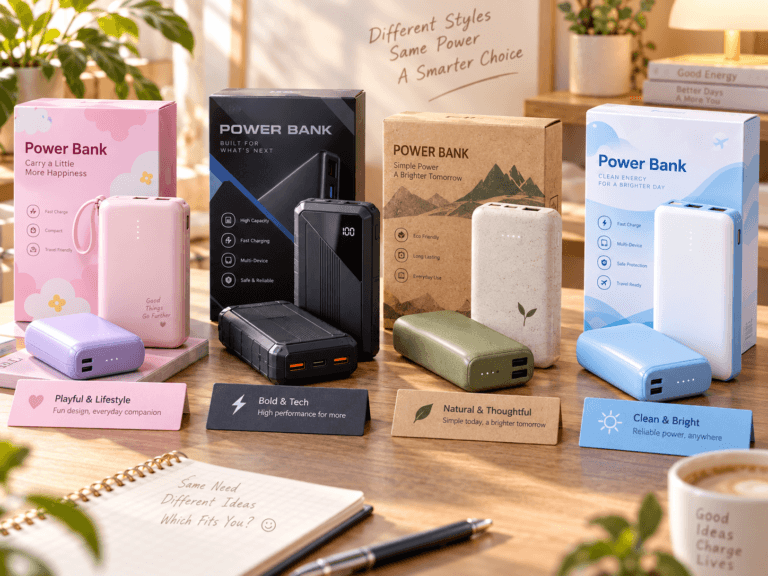
Use the Simplest Route for Each SKU
Mature platform · from 1,000 pcs/model
Internal modification · from 2,000 pcs/model
Match the released SKU, improve only where agreed
New private mold · from 3,000 pcs/design
Typical mature-project baseline: 500 pcs/color · samples 7–10 days · mass production about 30 days.
Current Platforms → · Custom Development → · Send Your Range Brief →
Building a Range, Not Just One SKU?
Send the current assortment and the one gap you want to solve. ZEROSET can compare existing platforms, controlled ODM changes and deeper development routes.